
Why Nagasaki Became the Second Atomic Bomb Target
Nagasaki became the second atomic bomb target due to unexpected weather conditions that prevented bombing of the original target, Kokura. Today, the city stands as a powerful symbol of peace, resilience, and the global call to eliminate nuclear weapons.
HISTORY OF NAGASAKI
10/19/20252 min read
Why Nagasaki Became the Second Atomic Bomb Target
The History, the Tragedy, and the Message of Peace
On August 9, 1945, Nagasaki became the second city in the world to suffer an atomic bombing, following Hiroshima just three days earlier. This tragic event forever changed the city and left a profound mark on human history. Yet, Nagasaki was not the original target of the atomic bomb.
Nagasaki Was Not the Intended Target
The primary target for the August 9 mission was Kokura, a military and industrial city in northern Kyushu. However, thick cloud cover and smoke from earlier air raids made visual identification impossible. Because the mission required a visual confirmation before releasing the bomb, the aircraft was forced to abandon Kokura.
With fuel running low and the mission parameters unchanged, the crew diverted to the secondary target: Nagasaki.
Why Nagasaki Was Chosen as an Alternative
Nagasaki was selected as a secondary target due to its strategic importance. The city was a major industrial and military port, home to key facilities such as the Mitsubishi shipyards and arms factories, which played a significant role in Japan’s wartime production.
Its geography also influenced the decision. Nagasaki lies in a valley surrounded by hills, a landscape that allowed military analysts to clearly observe and document the destructive power of the atomic bomb.
The Atomic Bombing of Nagasaki
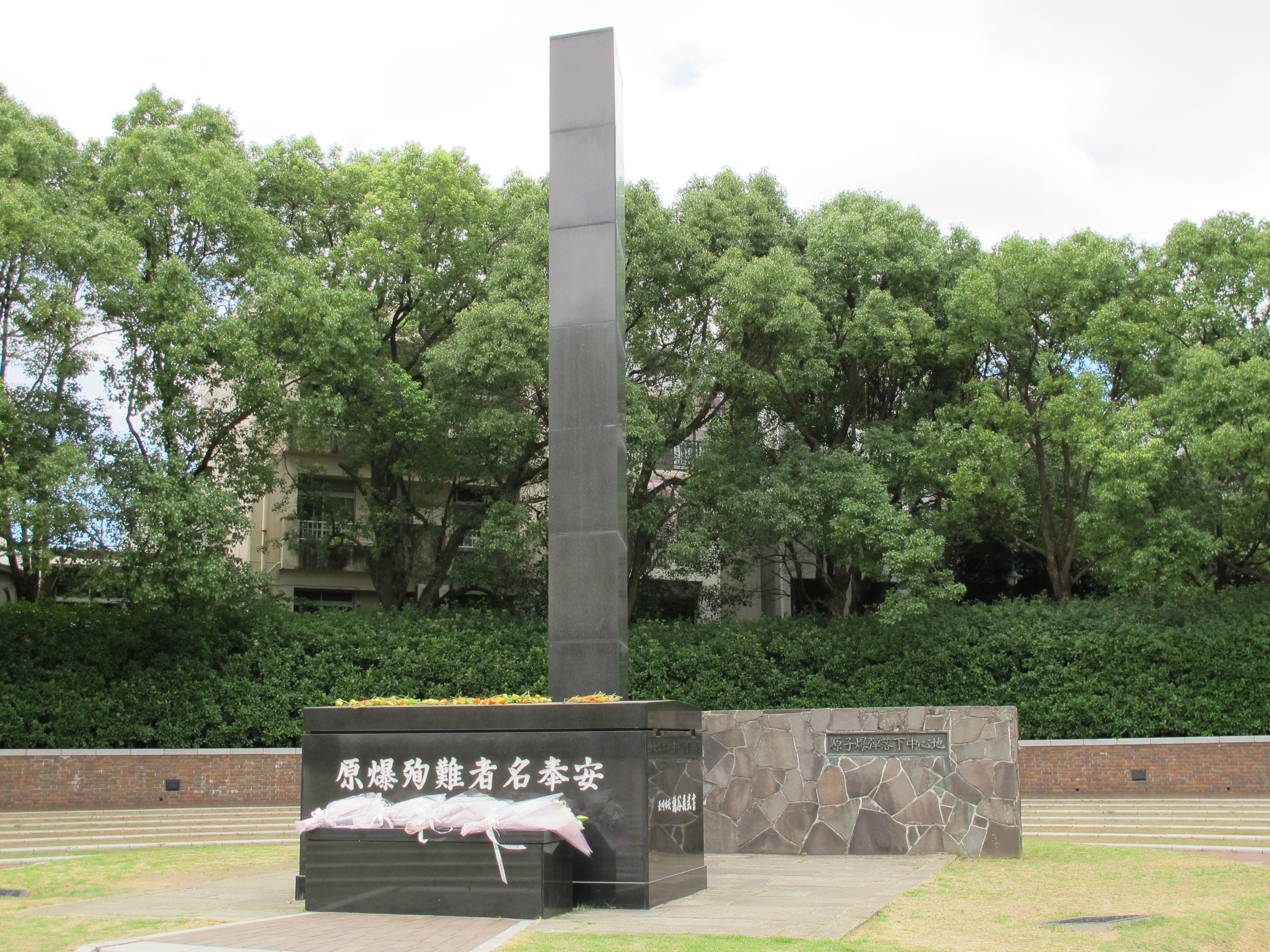
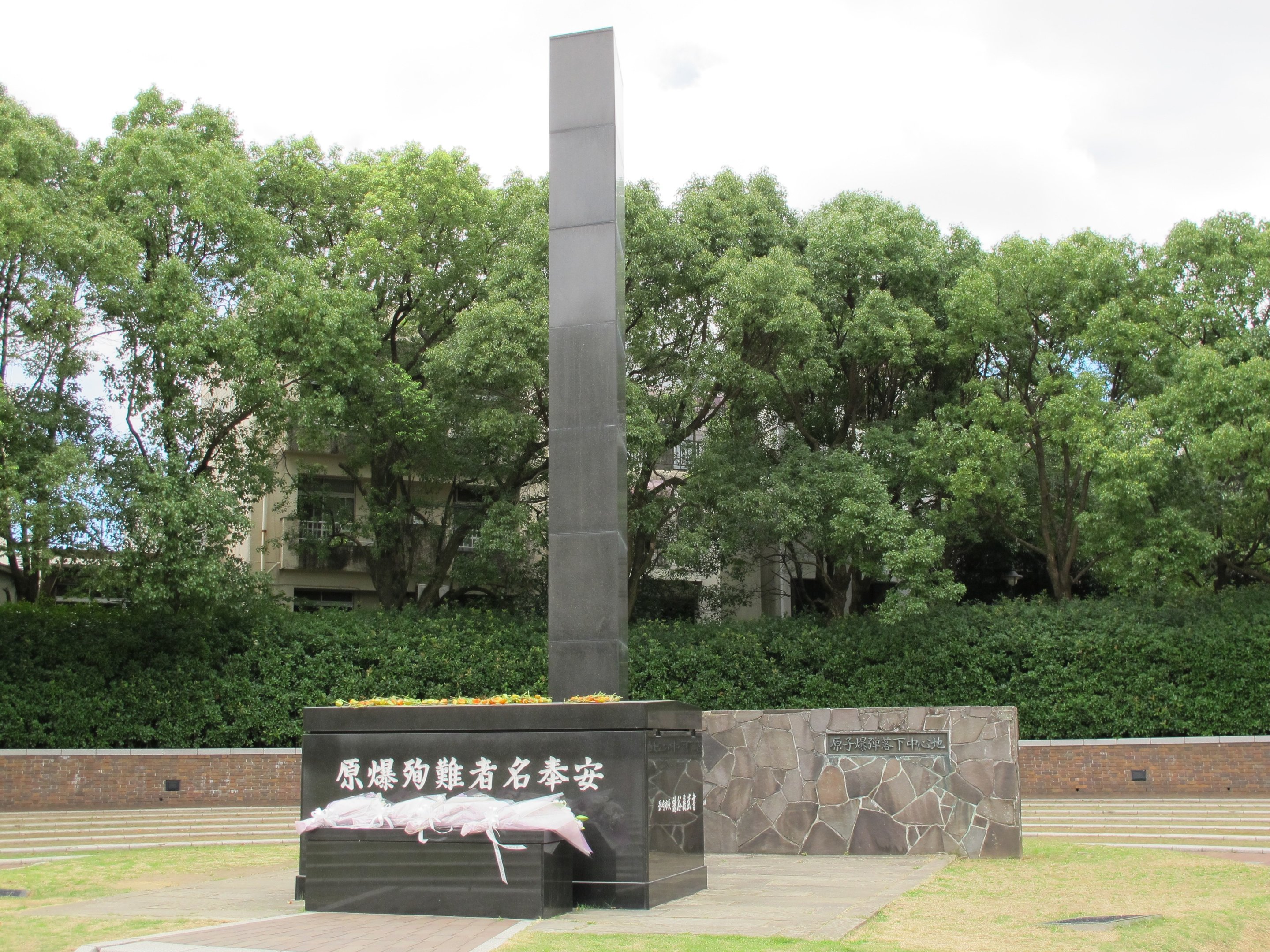
At 11:02 a.m., the atomic bomb “Fat Man” detonated approximately 500 meters above the Urakami district. The explosion instantly devastated the surrounding area, killing an estimated 70,000 people by the end of 1945. Homes, churches, schools, and factories were reduced to rubble, and countless lives were permanently altered.
Although Nagasaki was not the original target, it became one of the most powerful symbols of the catastrophic human cost of nuclear warfare.
Nagasaki Today: A City of Peace and Resilience
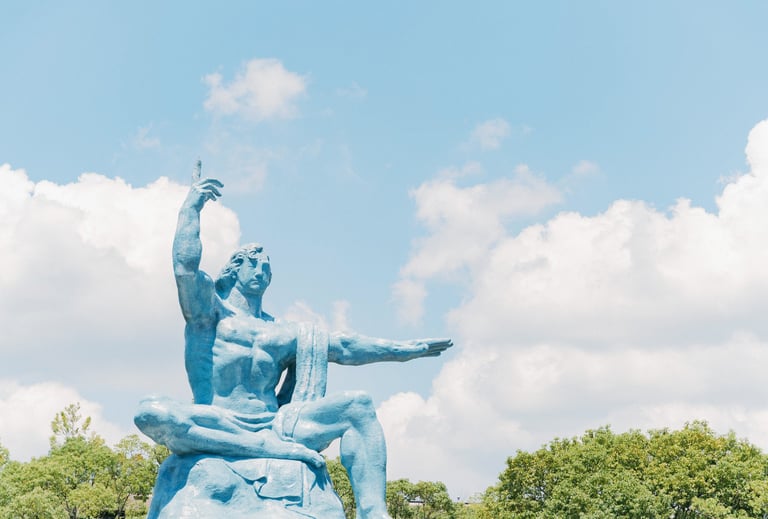
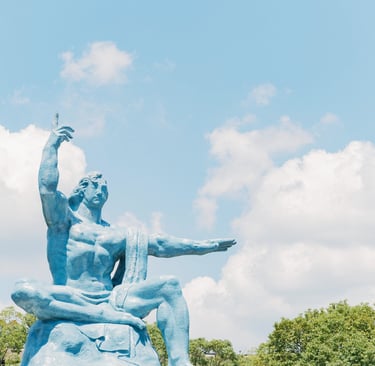
After the war, Nagasaki rebuilt itself from near-total destruction. Today, the city stands as a global advocate for peace and nuclear disarmament. Sites such as the Nagasaki Peace Park, the Atomic Bomb Museum, and the Hypocenter serve as solemn reminders of the past and powerful calls for a more peaceful future.
Walking through Nagasaki today, visitors experience not only the sorrow of its history but also the resilience, dignity, and hope of its people.
Experience Nagasaki’s History with Nagasaki Private Tours
If you would like to deepen your understanding of Nagasaki’s atomic bomb history with meaningful context and local insight, Nagasaki Private Tours offers private, English-guided tours led by knowledgeable professionals. Our tours go beyond facts, helping visitors understand the human stories behind the history.
Learn more here:
👉 https://nagasakiprivatetours.com