
Top Must-Visit Attractions in Nagasaki
A curated ranking of Nagasaki’s most famous sights and hidden gems for international and cruise travelers.
Planning a trip to Nagasaki and wondering what to see?
This page features a carefully selected ranking of the top attractions in Nagasaki — from historic landmarks and scenic viewpoints to cultural sites and hidden local gems. Whether you are visiting for the first time or arriving by cruise ship, this guide will help you make the most of your time in the city.
Top Attractions Ranking + Hidden Gems + Japanese Tea Ceremony
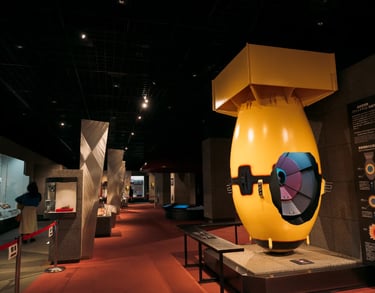
#1 Atomic Bomb Museum
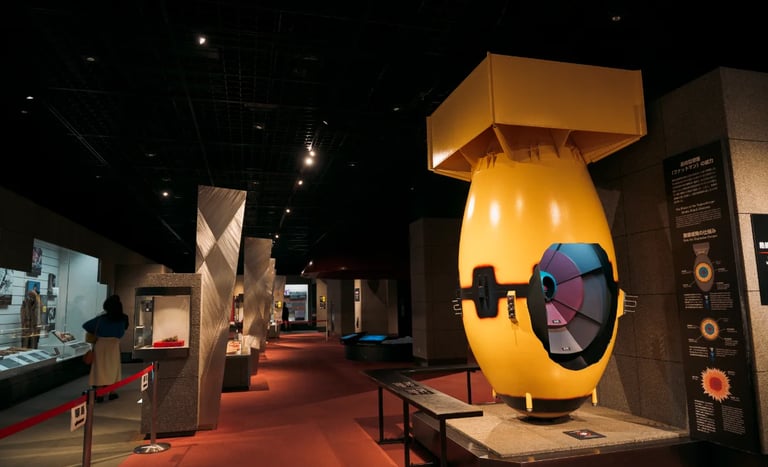
The Atomic Bomb Museum is the most important place to visit in Nagasaki. It tells the story of the atomic bombing in 1945 and conveys a powerful message of peace to the world. Through photographs, artifacts, and personal stories, visitors can learn about the tragic past while reflecting on the value of peace and the importance of remembering history.
It is a deeply moving experience and an essential visit for anyone who wants to understand Nagasaki beyond its beautiful scenery.
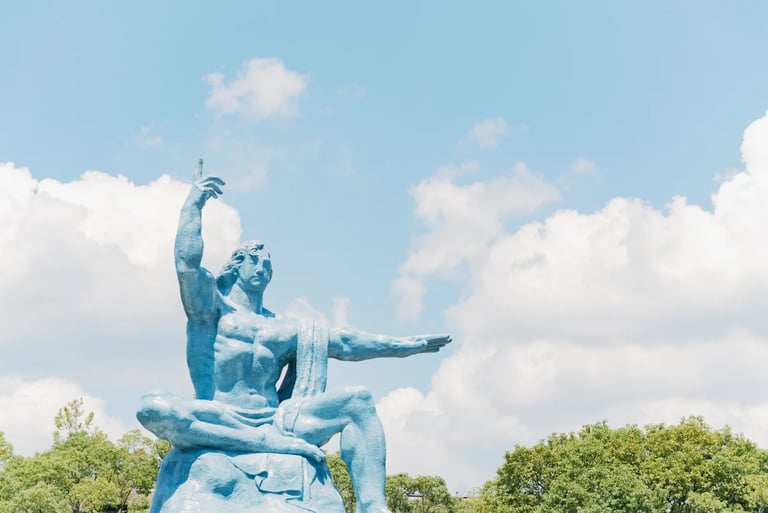
#2 Peace Park
Peace Park is a quiet and beautiful space dedicated to peace and remembrance. It was built near the hypocenter of the atomic bombing and is filled with monuments and messages from around the world. The park’s main highlight is the Peace Statue, a powerful symbol of peace that attracts visitors from around the world. Visitors come here to reflect, to pray, and to think about the importance of peace.
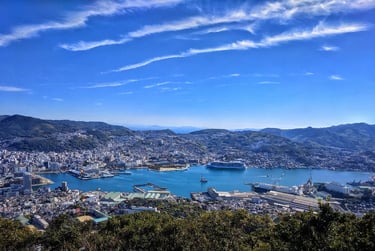
#3 Mount Inasa Observatory
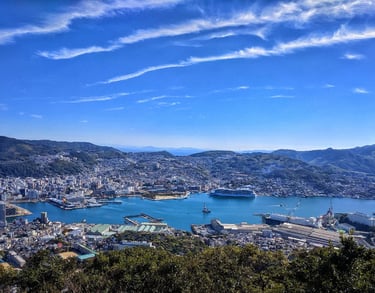
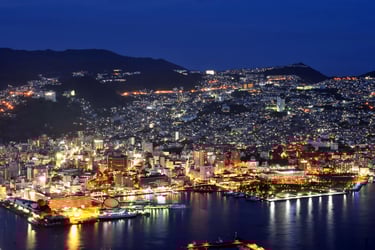
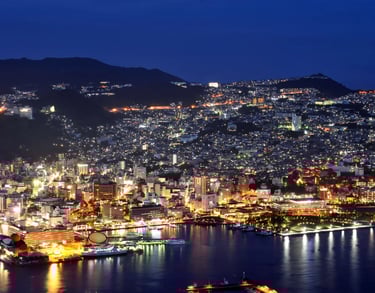
Mount Inasa Observatory offers one of the most spectacular views in Nagasaki. From the top, visitors can enjoy a panoramic view of the city, the harbor, and the surrounding mountains. It is especially famous for its night view, often called the “ten million dollar night view,” and it has been recognized as one of the world’s top three night views, along with Shanghai and Monaco.
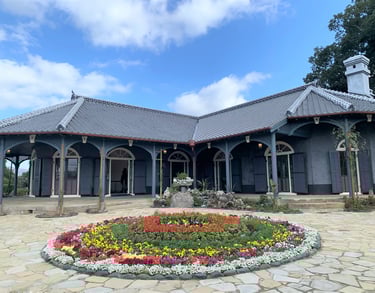
#4 Glover Garden
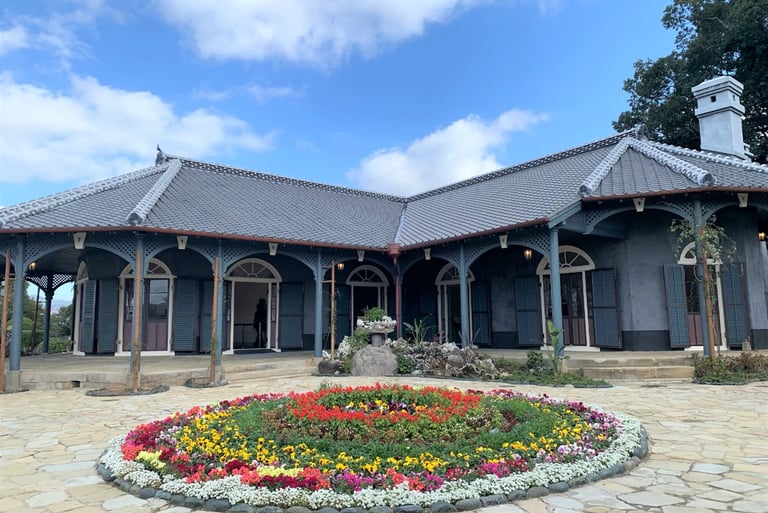
Glover Garden is a beautifully preserved open-air museum featuring Western-style houses from the late 19th century. It reflects Nagasaki’s unique history as one of the first ports opened to the West in Japan. The garden includes the former residence of Thomas Glover, a Scottish merchant who played an important role in Japan’s modernization. The area offers lovely views over Nagasaki Harbor and a peaceful atmosphere, making it a pleasant place to walk and explore.
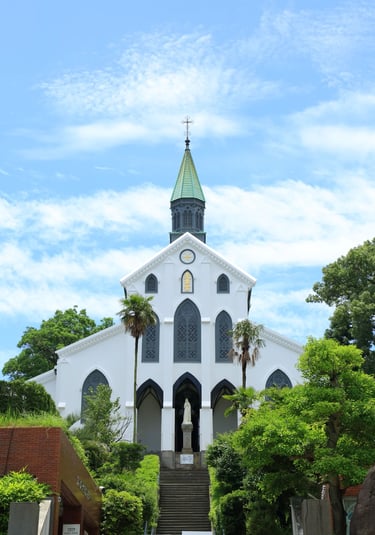
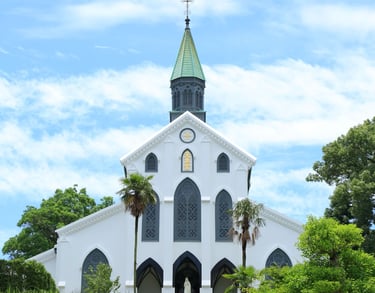
#5 Oura Cathedral
Oura Cathedral is the oldest Catholic church in Japan and one of Nagasaki’s most important historical landmarks. It has been designated as a National Treasure of Japan and is also registered as part of a UNESCO World Heritage site.
Built in 1864 and dedicated to the Twenty-Six Martyrs of Japan, the church is an early example of Western-style architecture in the country. It reflects Nagasaki’s long history as an international port and the early introduction of Western culture and Christianity to Japan.
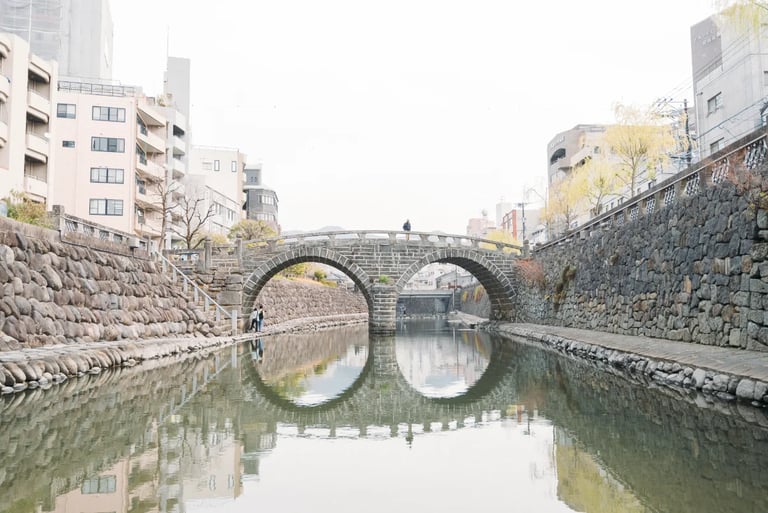
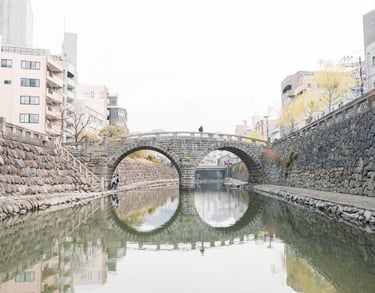
#6 Megane Bridge
Megane Bridge is one of the oldest stone bridges in Japan and one of Nagasaki’s most charming landmarks. Its name means “glasses bridge,” coming from the reflection of the arches in the river, which together look like a pair of spectacles. Built in 1634, it is a popular photo spot and a pleasant place for a short walk.
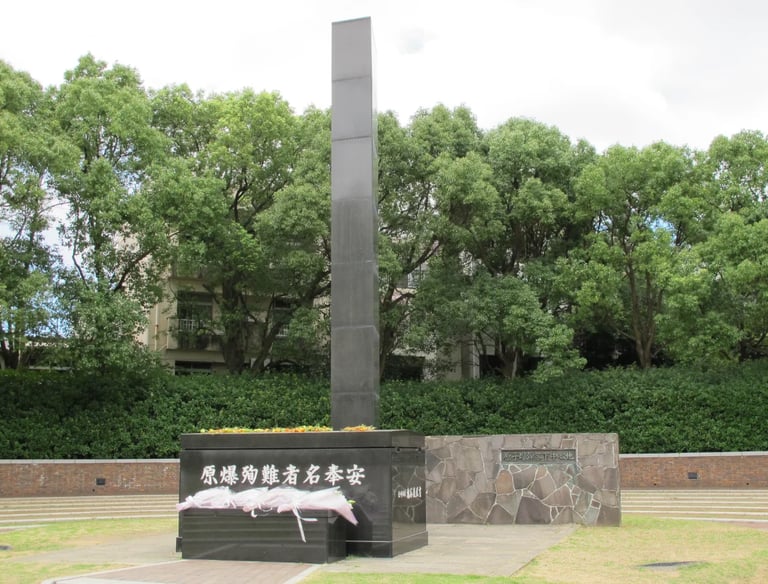
#7 Hypocenter Park
Hypocenter Park marks the exact location where the atomic bomb exploded over Nagasaki in 1945. A simple black stone monument stands at the center, indicating the point directly below the explosion. Today, the park is a quiet place of remembrance and reflection.
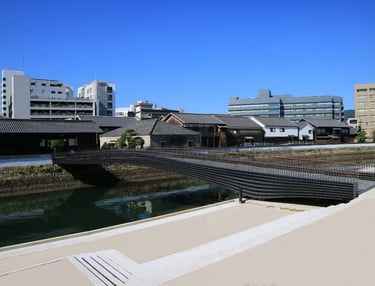
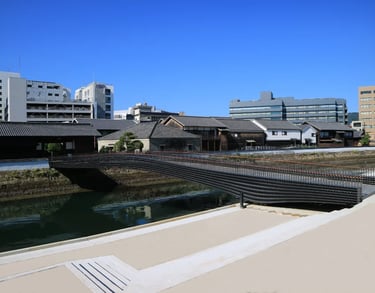
#8 Dejima
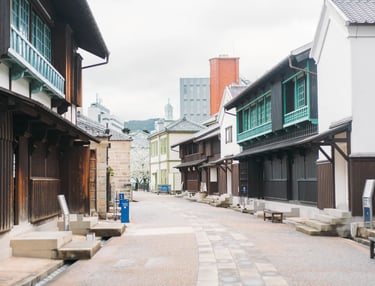
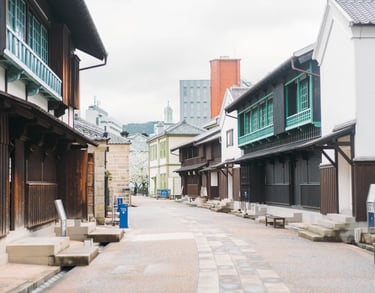
Dejima is a historic trading post that played a crucial role in Japan’s connection with the outside world during the Edo period. For over 200 years, it was the only place where Western traders, mainly the Dutch, were allowed to live and trade with Japan.
Today, Dejima has been carefully restored, and visitors can walk through the reconstructed buildings to learn about life, trade, and cultural exchange in that era. It is a fascinating place to understand how Nagasaki served as Japan’s window to the world.
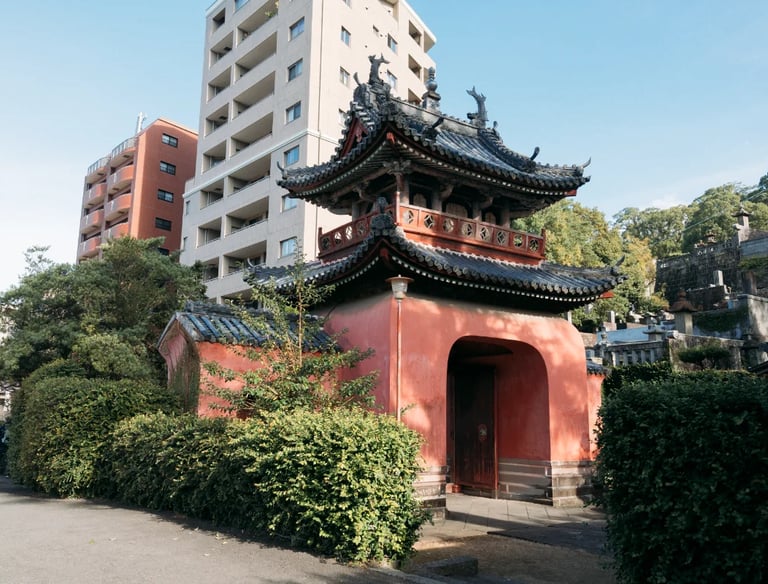
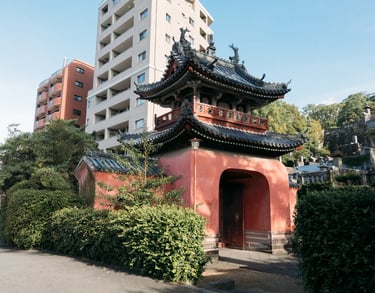
#9 Sofukuji Temple
Sofukuji Temple is a unique Buddhist temple in Nagasaki built in a strong Chinese architectural style. Founded in the 17th century by Chinese merchants and monks, it reflects the deep historical ties between Nagasaki and China. The temple’s main gate is designated as a National Treasure of Japan, and the site offers a peaceful escape and a glimpse into Nagasaki’s multicultural heritage.
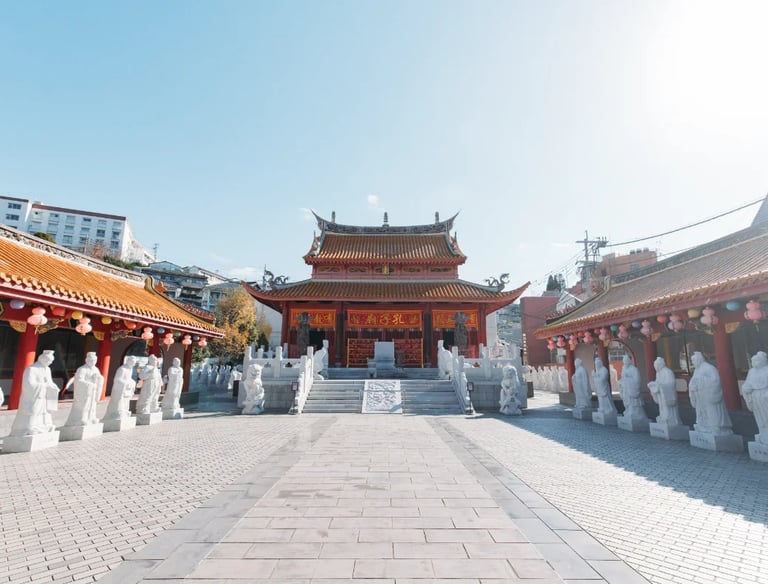
#10 Confucius Shrine
The Nagasaki Confucius Shrine is a unique cultural site dedicated to Confucius, the famous Chinese philosopher. Built in a traditional Chinese architectural style, it reflects the long and close historical relationship between Nagasaki and China.
The shrine was established by the local Chinese community and serves as a place of learning, respect, and cultural exchange. With its red buildings, statues, and calm atmosphere, it offers visitors a chance to experience Chinese culture in the heart of Nagasaki.
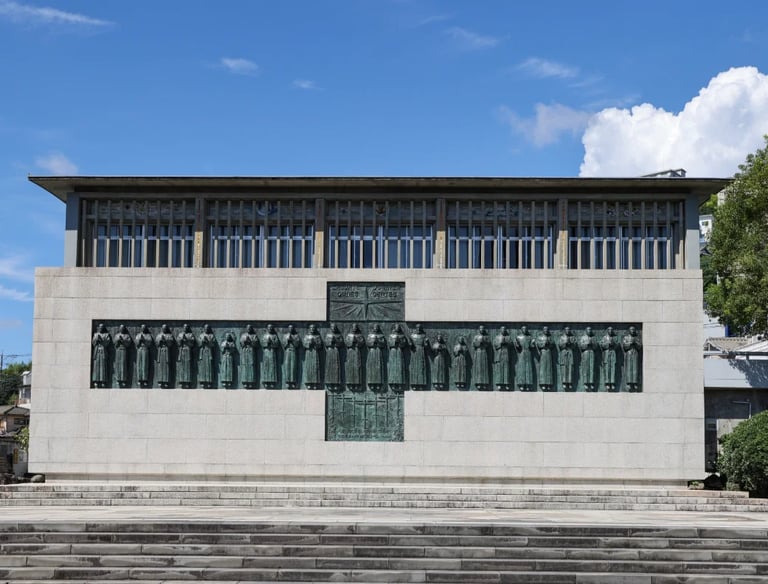
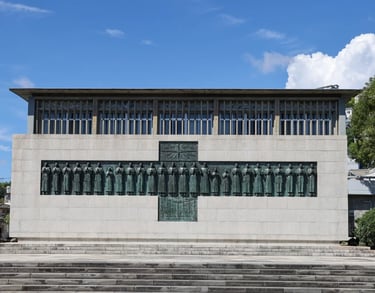
#11 Twenty-Six Martyrs Monument
The Twenty-Six Martyrs Museum and Monument commemorate the twenty-six Christians who were executed in Nagasaki in 1597. The site honors their faith and marks an important chapter in the history of Christianity in Japan.
The hilltop monument features bronze statues of the martyrs and offers a panoramic view over Nagasaki city. The nearby museum provides historical background and exhibits that help visitors understand the story and its significance in a calm and respectful way.
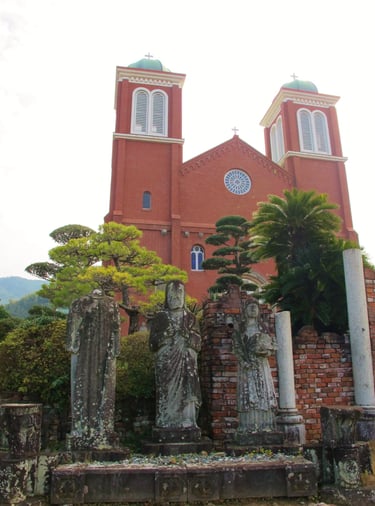
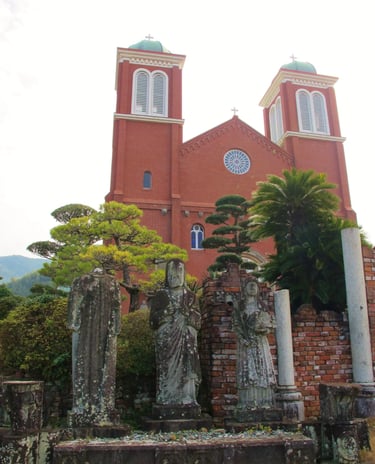
#12 Urakami Cathedral
Urakami Cathedral is one of the largest Catholic churches in Japan and an important symbol of Nagasaki’s Christian heritage. The original cathedral was destroyed by the atomic bomb in 1945 and was later rebuilt as a sign of peace and recovery.
Today, the church stands as a place of prayer, remembrance, and hope. Its simple and dignified architecture, along with its quiet atmosphere, offers visitors a moment of reflection in the heart of the city.
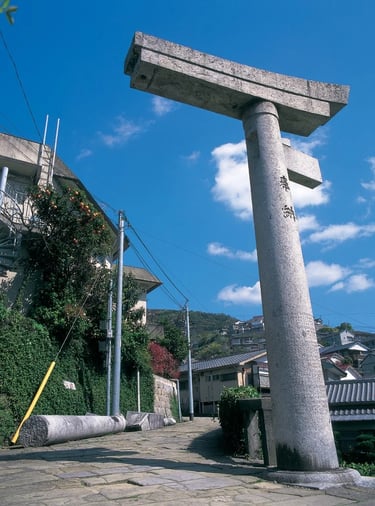
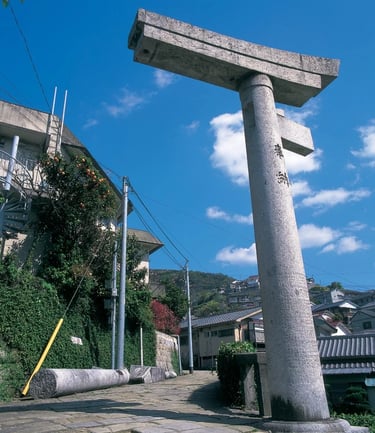
#13 One-Legged Torii of Sanno Shrine
The One-Legged Torii Gate at Sanno Shrine is one of Nagasaki’s most powerful symbols of resilience and survival. It originally had two pillars, but one side was destroyed by the atomic bomb in 1945, leaving the gate standing on a single leg. Today, it remains as a reminder of peace, loss, and hope.
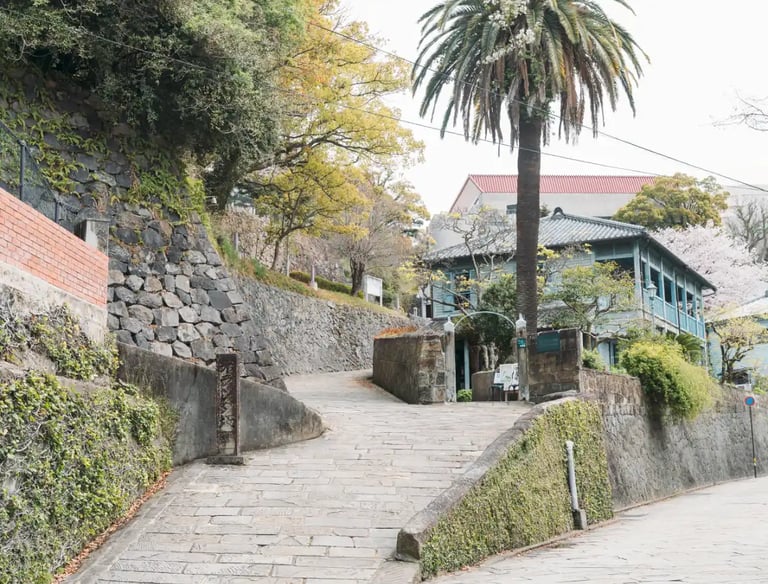
#14 Dutch Slope
Oranda-zaka, or “Dutch Slope,” is a historic stone-paved street that reflects Nagasaki’s international past. Once home to foreign residents in the 19th century, it is now a charming area for walking, photos, and experiencing the city’s unique blend of cultures.
This ranking is based on popular visitor reviews and local insights to help you plan your Nagasaki itinerary with confidence.
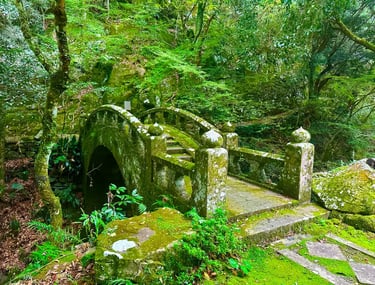
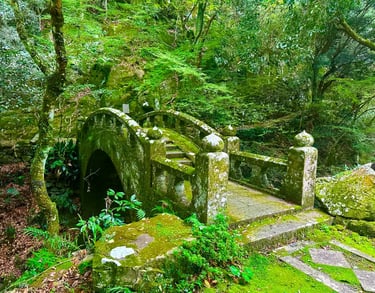
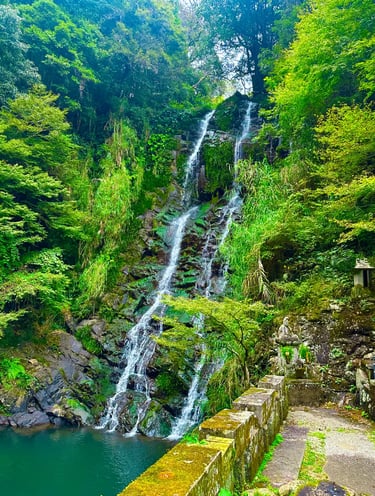
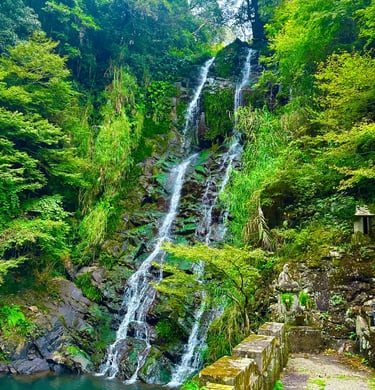
#1 Taki no Kannon
Taki no Kannon is a small and peaceful Buddhist site located beside a gentle waterfall in Nagasaki. Dedicated to Kannon, the bodhisattva of compassion, it has long been a place where local people come to pray for health, safety, and peace.
Surrounded by greenery and the sound of flowing water, it offers a quiet escape from the city and a chance to experience a more spiritual and local side of Nagasaki.
Hidden Gems
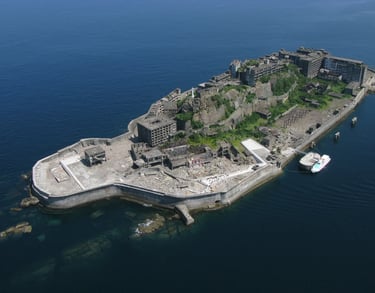
#2 Gunkanjima (Battleship Island)
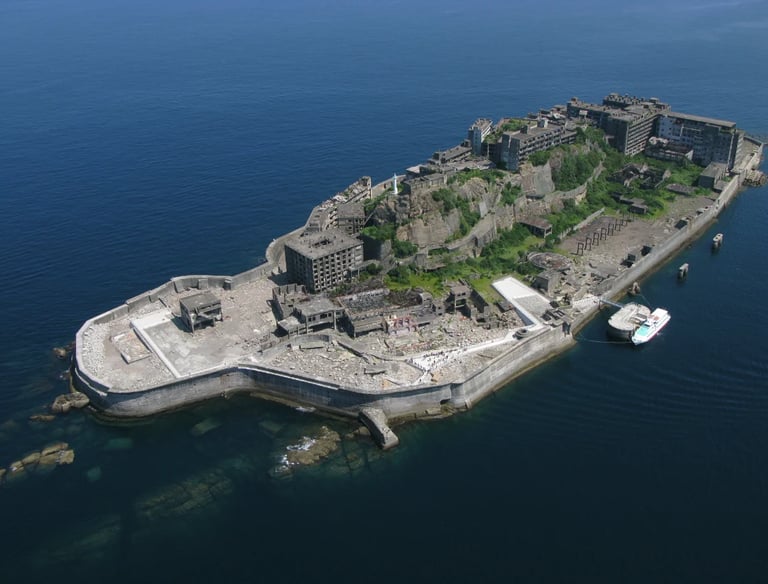
Gunkanjima, also known as Hashima Island or Battleship Island, is a small abandoned island off the coast of Nagasaki. It was once a densely populated mining community that played an important role in Japan’s industrialization during the 20th century.
Today, the island’s concrete ruins remain as a powerful reminder of this industrial past. Visitors can explore the island by boat tour, making it one of the most unique and fascinating attractions in Nagasaki.
Special Experience
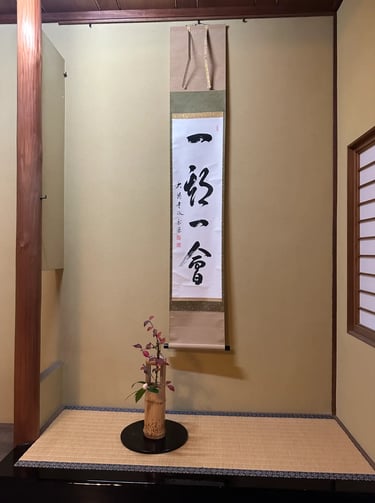
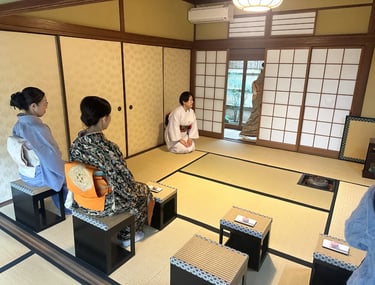
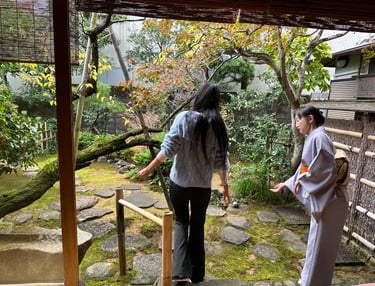
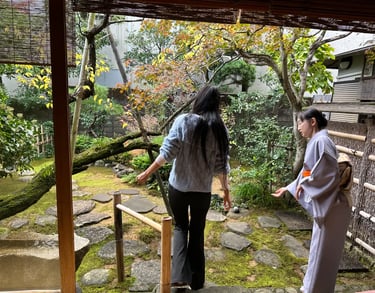
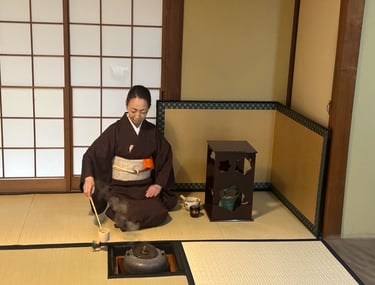
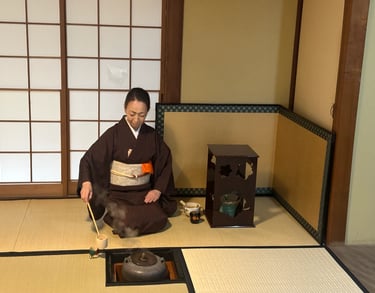
The Japanese tea ceremony, or sado, is a traditional cultural practice that dates back over 400 years and is based on the values of harmony, respect, purity, and tranquility. It is not simply about drinking matcha tea.
At Nagasaki Private Tours, our tea ceremony experience is led by a genuine tea ceremony master who performs the ceremony according to traditional Japanese rules and etiquette, offering a truly authentic cultural experience rather than a simple tea tasting.
Authentic Japanese Tea Ceremony Experience