
Why Japan Is Famous for Cherry Blossoms
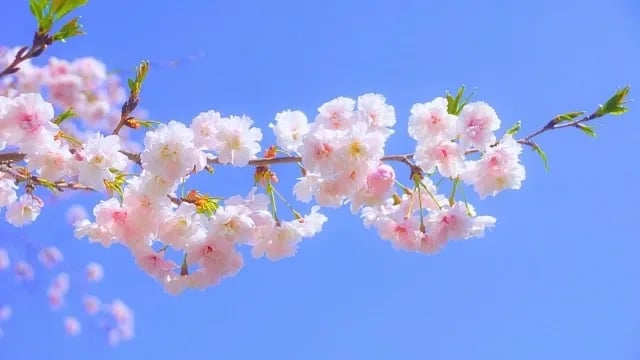
Cherry blossoms are one of Japan’s most iconic symbols of spring and cultural identity. This article explores why sakura are so famous, the origins of hanami, the best viewing seasons across Japan, and interesting global facts about cherry blossoms.
JAPANESE CULTURE
1/19/20263 min read
Why Cherry Blossoms Are So Important in Japan
Japan is famous for cherry blossoms because sakura represent deeply rooted Japanese values such as impermanence, beauty, and renewal. Cherry blossoms bloom brilliantly but only for a short time, reminding people that beautiful moments are fleeting. This concept has influenced Japanese culture for centuries and appears frequently in poetry, art, and philosophy.
In addition, cherry blossoms are woven into everyday life in Japan. They mark the arrival of spring, the end of winter, and the start of a new cycle. Because of this strong emotional and seasonal connection, sakura are more than flowers—they are a national symbol.
The Geographic Reason Behind Japan’s Long Cherry Blossom Season
Another reason Japan is known worldwide for cherry blossoms is its geography. Japan stretches from south to north, creating diverse climates across the country. As temperatures rise gradually, the cherry blossom season moves northward in what is known as the “cherry blossom front.”
This allows people to enjoy cherry blossoms for over a month, from Kyushu in March to Hokkaido in late April or early May. Few countries can experience such a long and varied cherry blossom season within a single nation.
The Origins of Hanami (Cherry Blossom Viewing)
The tradition of hanami dates back more than 1,000 years. During the Nara period, aristocrats originally admired plum blossoms, but in the Heian period, cherry blossoms became the main focus. Noble families held elegant gatherings beneath blooming trees, writing poetry and celebrating spring.
Hanami became a popular public event during the Edo period. Cherry trees were planted in parks, along rivers, and near temples, making them accessible to common people. This transformed hanami into a social tradition enjoyed by friends, families, and communities, a custom that continues today.
Best Time to See Cherry Blossoms in Major Japanese Cities
The best time to see cherry blossoms in Japan depends on location, but the schedule is relatively predictable each year. In Fukuoka and Kyushu, peak bloom usually occurs from mid to late March. Tokyo, Yokohama, Osaka, Kyoto, and Nara typically reach full bloom from late March to early April.
In northern Honshu, including Sendai, cherry blossoms are best seen in early to mid-April. Aomori’s famous cherry blossom spots peak from late April to early May, while Sapporo and other parts of Hokkaido usually see blossoms from late April through early May.
Cherry Blossom Facts You May Not Know
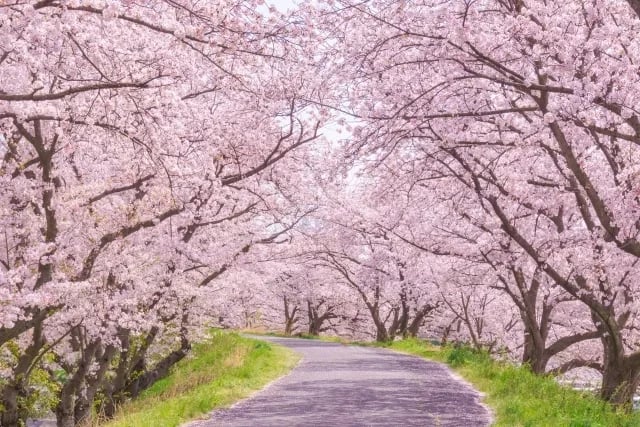
One surprising fact is that most cherry trees in Japan belong to a single variety called Somei Yoshino. These trees were cultivated during the Edo period and bloom almost simultaneously, creating dramatic, cloud-like scenes of pink and white. Because they bloom and fall at the same time, the viewing period feels especially precious.
Cherry blossoms are also a symbol of international friendship. In 1912, Japan gifted approximately 3,000 cherry trees to Washington, D.C. as a sign of goodwill. Today, cherry blossoms along the Potomac River attract millions of visitors each spring during the National Cherry Blossom Festival.
Cherry Blossoms and New Beginnings in Japan
In Japan, cherry blossoms are closely associated with new beginnings. The school year and business year both start in April, often coinciding with peak bloom. As a result, sakura symbolize fresh starts, hope, and the beginning of a new chapter in life.
Graduations, entrance ceremonies, and first days at work are often remembered alongside falling cherry blossom petals, strengthening their emotional significance.
Conclusion: More Than Just Beautiful Flowers
Cherry blossoms are famous in Japan not only for their beauty but for their deep cultural meaning. They reflect Japanese history, seasonal awareness, and emotional values that have been passed down for generations. Understanding the story behind sakura transforms cherry blossom viewing from a simple sightseeing activity into a meaningful cultural experience.