

The Turning Point That Changed Japan – The Miracle of the Meiji Restoration
10/25/20251 min read
In the mid-19th century, Japan stood at a crossroads. The era of isolation was ending, and the nation faced a choice: to open its doors to the world or remain secluded. What followed was one of the most extraordinary transformations in human history — the Meiji Restoration.
Beginning in 1868, the Meiji Restoration marked Japan’s dramatic shift from a feudal society ruled by samurai to a modern, unified nation. Unlike many revolutions, this change was achieved not through destruction, but through vision, diplomacy, and an unshakable will to progress.
Much of the energy that fueled this transformation began here in Nagasaki. As Japan’s only open port during the Edo period, Nagasaki served as a gateway for Western knowledge and culture. Steam engines, telegraphy, Western medicine, and even the ideals of freedom and progress all entered Japan through this city, inspiring the young reformers who would change the course of history.
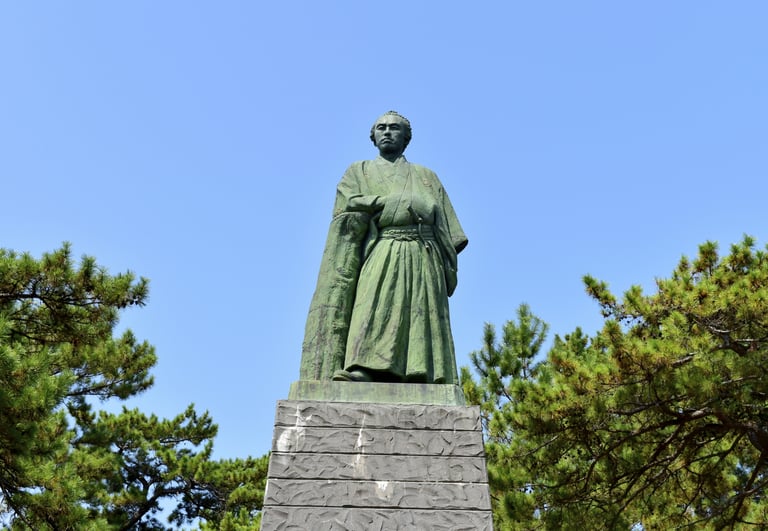
Leaders like Ryoma Sakamoto and Katsu Kaishu dreamed of a Japan built not on swords, but on wisdom and unity. Their courage and ideals paved the way for the birth of the Meiji government and the modernization of the entire nation.
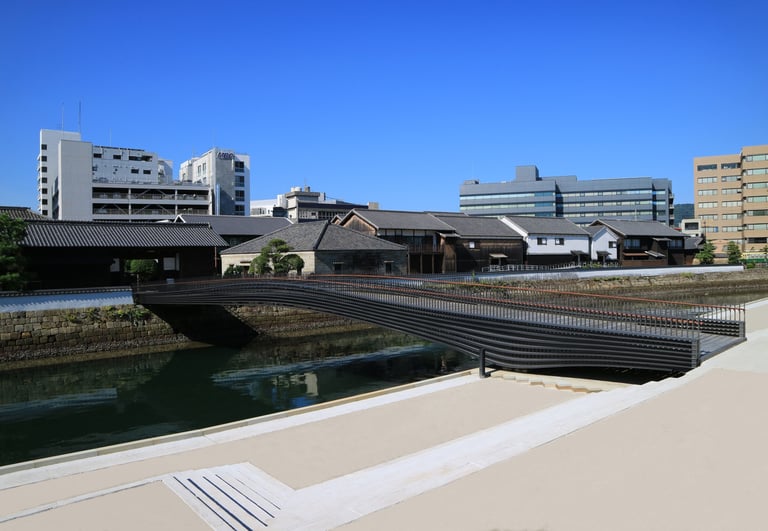
If you visit Nagasaki today, you can still feel that spirit at places like Glover Garden, Dejima, and the Kameyama Shachu ruins — where the dreams of a new Japan first took shape. Even after more than 150 years, the passion and determination of that era continue to live on in this city.
The Meiji Restoration is more than just a chapter in Japan’s history —
it is the story of a people who chose to shape their own future.