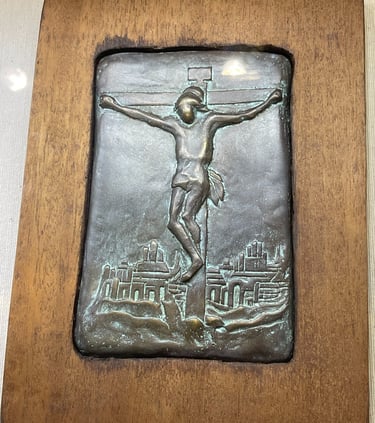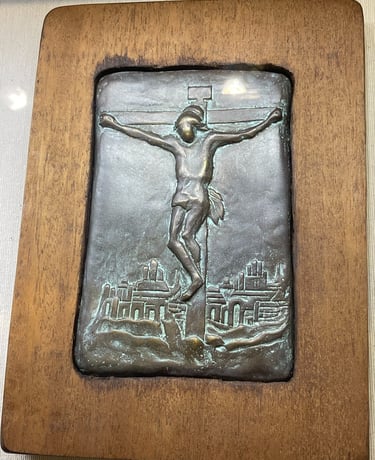

The Story of the 26 Martyrs of Nagasaki
The 26 Martyrs of Japan were executed in Nagasaki in 1597 after being marched about 800 kilometers from Kyoto as a public warning against Christianity. Their execution marked the beginning of systematic Christian persecution in Japan, later leading to measures such as the Fumie system.
HISTORY OF NAGASAKI
12/5/20253 min read
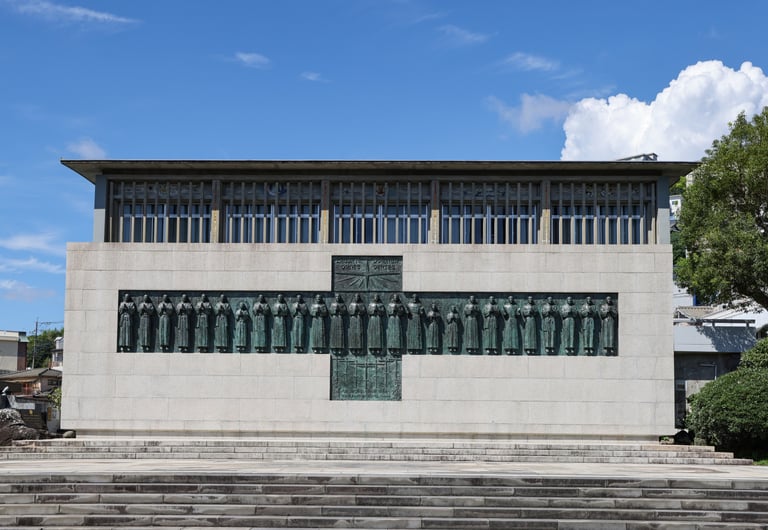
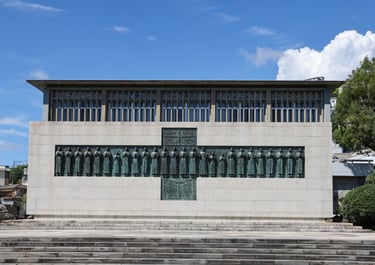
The "26 Martyrs of Japan" refers to a group of twenty-six Christians, both Japanese and foreign, who were executed in Nagasaki on February 5, 1597. They included Franciscan friars, Jesuit members, and Japanese believers, including several young boys. Their execution became one of the most symbolic events in the history of Christian persecution in Japan.
During the rule of Toyotomi Hideyoshi, Christianity was first tolerated but later seen as a growing threat. This shift led to the 1587 ban on missionaries and eventually to the public execution of these twenty-six Christians as a political warning.
Why They Were Arrested in Kyoto and Forced to Walk to Nagasaki
Many of the 26 Martyrs were active in Kyoto and Osaka when they were arrested under Hideyoshi’s orders. The decision to march them all the way to Nagasaki was intentional and carried deep political meaning.
Nagasaki as the Center of Christianity
At the time, Nagasaki was the heart of Christian activity in Japan. Missionaries, converts, and foreign ships gathered there. Executing the martyrs in the very place where Christianity was strongest ensured the maximum impact as a warning.
The Custom of Parading Prisoners
In old Japan, it was common to parade prisoners over long distances to serve as public punishment and humiliation. The 26 Martyrs were forced to walk nearly 800 kilometers from Kyoto to Nagasaki in harsh winter conditions, chained together as crowds watched them pass through each town. This journey was meant to break their spirit and discourage others from following the Christian faith.
Why Not by Sea?
Traveling by sea would have been faster and easier, but the shogunate chose the land route so that more people could witness the punishment. The march itself became part of the message: Christianity would not be tolerated.
Why the Execution Took Place in Nagasaki
The execution site, Nishizaka Hill in Nagasaki, overlooks the harbor. This location allowed the punishment to be visible not only to local residents but also to foreign traders and missionaries arriving by ship. It was a deliberate choice to signal Japan’s shift toward strict control and eventual persecution of Christianity.
Connection to the Later "Fumie" Persecutions
The execution of the 26 Martyrs occurred in 1597, several decades before the widespread use of the "Fumie," the practice of forcing suspected Christians to step on images of Christ or the Virgin Mary to prove they were not believers. Those who refused were imprisoned, tortured, or exiled.
Although the Fumie system began much later, the execution of the 26 Martyrs marked the beginning of a long period of Christian suppression in Japan. Their death symbolized the government’s determination to eliminate the faith, leading to even stricter policies in the Edo period.
Summary
The 26 Martyrs were executed in Nagasaki in 1597 for their Christian faith.
They were arrested in Kyoto and forced to walk about 800 km to Nagasaki as a public warning.
Nagasaki was chosen because it was Japan’s Christian center and visible to foreign visitors.
Their martyrdom paved the way for later persecution measures such as the Fumie system.
Nagasaki Private Tours — Private Tours and Customizable Shore Excursions
If you are planning to visit Nagasaki and would like a private, flexible, and stress-free experience, we would be happy to help.
At Nagasaki Private Tours, we offer carefully designed model itineraries as well as customizable private tours — with the option to travel comfortably by private car or experience the city like a local on its historic streetcars, whether you are visiting by cruise ship or staying in the city.
Learn more or make a reservation here:
https://nagasakiprivatetours.com