
The Story of Nagasaki’s Streetcar: From Its Birth to Today
Discover how Nagasaki’s streetcar grew from a symbol of modernization into a resilient lifeline after the atomic bombing and remains a key part of city life today. This article explores its history, recovery, and role in shaping everyday movement through Nagasaki.
HISTORY OF NAGASAKI
12/22/20252 min read
Background of the Streetcar’s Opening
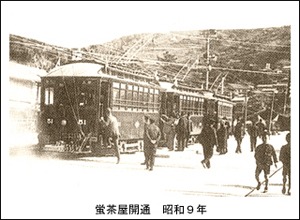
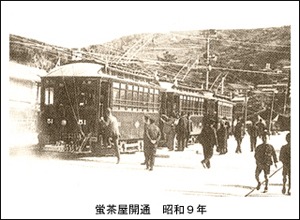
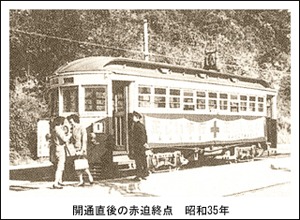
Nagasaki’s streetcar system began operation in 1915. At the time, Nagasaki was a growing port city with strong international connections, supported by shipbuilding and foreign trade. The city’s geography, marked by hills, narrow streets, and limited flat land, made efficient urban transportation a serious challenge.
Before the streetcar, most people relied on walking or rickshaws. The introduction of electric streetcars represented modernization and symbolized Nagasaki’s transformation into a modern city, dramatically improving daily life for its residents.
Early Routes and Reach of the System
The original streetcar lines connected areas around Nagasaki Station with the city center and port districts. For people living at the time, this meant faster and easier access to workplaces, markets, and the harbor.
In a city where steep slopes are common, the streetcar played a crucial role by linking flat areas and shaping the basic structure of urban movement. It became the backbone of everyday transportation in Nagasaki.
Damage During the War and the Atomic Bomb
On August 9, 1945, the atomic bomb was dropped on Nagasaki. The streetcar system suffered severe damage, with vehicles destroyed and tracks and power facilities heavily affected.
Remarkably, only a few months after the bombing, partial service was restored. This rapid recovery reflected the strong determination of local residents to rebuild their lives. The streetcar became more than a means of transportation; it stood as a symbol of resilience and recovery in postwar Nagasaki.
Postwar Recovery and Fare Changes
After the war, the streetcar network was gradually restored and expanded. It once again became an essential part of daily life, supporting commuting, schooling, and shopping.
While fares have changed over time, Nagasaki’s streetcar has consistently maintained a simple and affordable fare system. Today, it operates on a flat-rate fare, making it easy for both residents and visitors to use without confusion.
The Streetcar Today
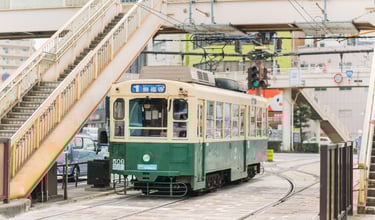
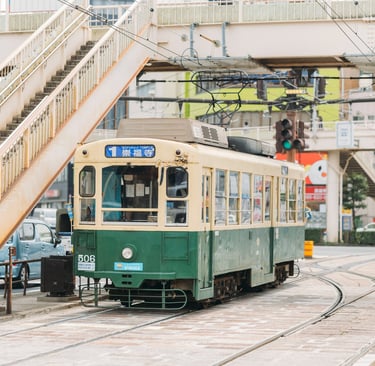
Today, Nagasaki’s streetcar system plays multiple roles. It efficiently connects major sightseeing spots, supports everyday life for local residents, and allows visitors to explore the city without relying on cars. As an environmentally friendly mode of transportation, it has gained renewed attention in recent years.
Modern low-floor vehicles, multilingual signage, and improved accessibility have been introduced, while the familiar sight of streetcars running through the city remains unchanged. The streetcar continues to be an everyday presence in Nagasaki.
Conclusion
Nagasaki’s streetcar has traveled through the city’s entire modern history, from early modernization to wartime destruction, postwar recovery, and present-day life.
For visitors, riding the streetcar is more than just transportation. It is an opportunity to experience Nagasaki’s history, resilience, and daily rhythm while moving through the city.
Nagasaki Private Tours — Private Tours and Customizable Shore Excursions
If you are planning to visit Nagasaki and would like a private, flexible, and stress-free experience, we would be happy to help.
At Nagasaki Private Tours, we offer carefully designed model itineraries as well as customizable private tours — with the option to travel comfortably by private car or experience the city like a local on its historic streetcars, whether you are visiting by cruise ship or staying in the city.
Learn more or make a reservation here:
https://nagasakiprivatetours.com