

The Meiji Restoration and Nagasaki: Where Modern Japan Was Born
The Meiji Restoration transformed Japan from a feudal society into a modern nation, and its roots can be traced back to Nagasaki — Japan’s historic gateway to the world. Through Western knowledge, visionary leaders, and peaceful reform, Nagasaki became the birthplace of modern Japan’s future.
HISTORY OF JAPAN
10/25/20252 min read
The Meiji Restoration and Nagasaki: Where Modern Japan Was Born
In the mid-19th century, Japan stood at a historic crossroads. After more than 200 years of national isolation, the country faced a decisive question: should it open to the world or remain closed?
The answer reshaped the nation forever — the Meiji Restoration.
Beginning in 1868, the Meiji Restoration marked Japan’s transformation from a feudal society ruled by samurai into a modern, centralized nation-state. Unlike many revolutions around the world, this change was not driven by chaos or mass destruction. Instead, it was guided by vision, diplomacy, and an extraordinary determination to modernize.
Why Nagasaki Played a Crucial Role in the Meiji Restoration
The roots of this transformation can be traced to Nagasaki, one of the most important cities in Japanese history. During the Edo period, Nagasaki was Japan’s only official window to the West, maintaining limited but vital contact with Europe through Dejima.
Through Nagasaki, Japan encountered:
Western science and medicine
Steam engines and industrial technology
Telegraphy and modern navigation
New political ideas such as equality, reform, and progress
These influences quietly but profoundly shaped the minds of young samurai and reformers who would later lead the Meiji Restoration.
Visionary Leaders and the Birth of a New Japan
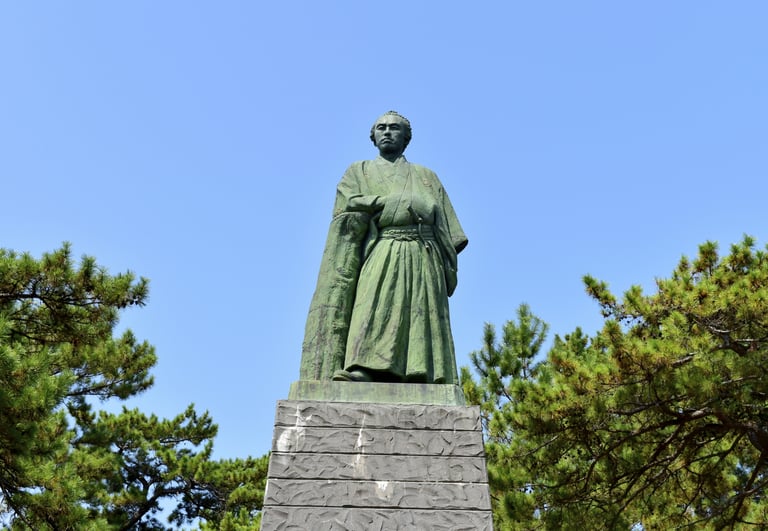
Figures such as Ryoma Sakamoto and Katsu Kaishu emerged from this era with revolutionary ideas. Rather than clinging to the sword, they envisioned a Japan founded on knowledge, cooperation, and national unity.
Their efforts helped prevent large-scale civil war and laid the groundwork for the peaceful transfer of power that ultimately led to the establishment of the Meiji government. This approach allowed Japan to modernize rapidly while preserving its cultural identity — a rare achievement in world history.
Historic Sites in Nagasaki That Tell This Story
Visitors to Nagasaki today can still experience the spirit of the Meiji Restoration by exploring key historical sites, including:
Glover Garden – Home to foreign merchants who introduced industrial technology to Japan
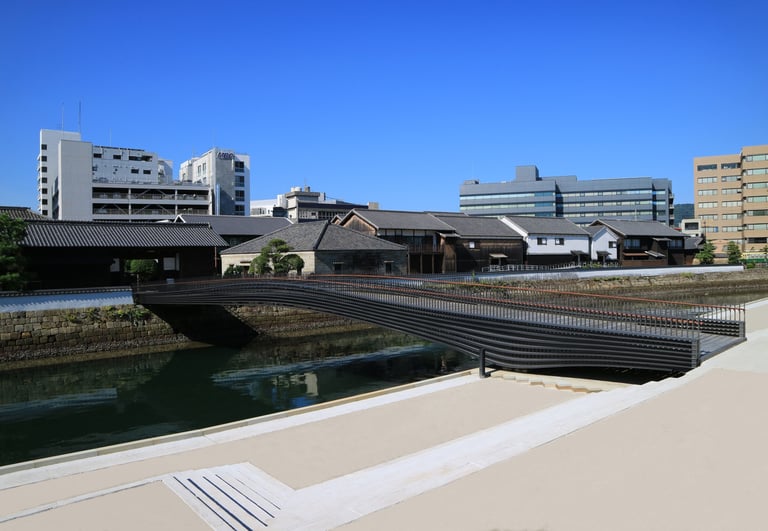
Dejima – The symbolic gateway through which Western knowledge entered Japan
Kameyama Shachu Ruins – The base of Sakamoto Ryoma’s pioneering trading company
These places are not just tourist attractions; they are where the foundations of modern Japan were first laid.
The Lasting Legacy of the Meiji Restoration
More than 150 years later, the impact of the Meiji Restoration can still be felt throughout Japan — and nowhere more strongly than in Nagasaki. The city remains a powerful symbol of openness, resilience, and innovation.
The Meiji Restoration is more than a historical event.
It is the story of a nation that chose to shape its own future — and Nagasaki is where that future began.
Discover the story of the Meiji Restoration in depth with Nagasaki Private Tours, offering private, customized experiences led by local experts.
Explore Nagasaki’s historic sites at your own pace and connect with the birthplace of modern Japan.
👉 Learn more at: https://nagasakiprivatetours.com