
The Difference Between the Atomic Bombings of Hiroshima and Nagasaki
The atomic bombings of Hiroshima and Nagasaki differed in bomb design, power, and the aircraft used, with uranium and plutonium bombs causing massive destruction. Geography also played a crucial role, as Hiroshima’s flat terrain led to wider devastation, while Nagasaki’s mountains limited the impact despite a more powerful bomb.
HISTORY OF NAGASAKI
2/17/20263 min read
The Difference Between the Atomic Bombings of Hiroshima and Nagasaki
In August 1945, two atomic bombs were dropped on Hiroshima and Nagasaki. Although both were nuclear weapons, they differed significantly in design, power, and the circumstances of their use. This article explains the key differences, including the bomb types, aircraft, target selection, and the impact of geography on the scale of destruction.
Names of the Bombs and the Aircraft
The atomic bomb dropped on Hiroshima was called “Little Boy.” It was a uranium-based bomb using a gun-type design and was dropped on August 6, 1945, by the B-29 bomber Enola Gay.
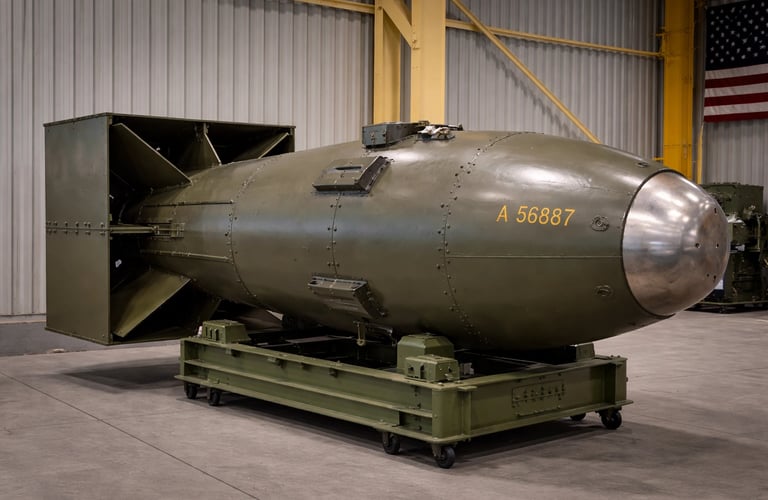
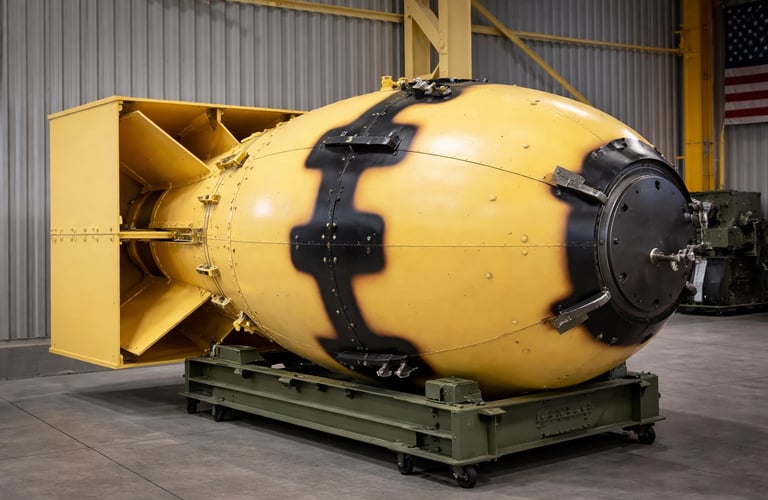
The bomb dropped on Nagasaki was called “Fat Man.” It was a plutonium-based bomb using a more advanced implosion design and was dropped on August 9, 1945, by the B-29 bomber Bockscar.
Uranium vs. Plutonium Bombs
The most significant difference between the two bombs lies in their nuclear mechanisms.
The Hiroshima bomb, “Little Boy,” used uranium-235. It worked by firing one piece of uranium into another, initiating a nuclear chain reaction. This design was relatively simple and was used in combat without prior testing.
The Nagasaki bomb, “Fat Man,” used plutonium-239. It relied on a complex implosion method, where conventional explosives compressed the plutonium core to trigger the reaction. Because of its complexity, this design was tested beforehand in the Trinity nuclear test.
Differences in Explosive Power
“Little Boy” had an estimated yield of about 15 kilotons of TNT, while “Fat Man” was more powerful, with an estimated yield of about 20 kilotons.
Despite the greater power of the Nagasaki bomb, the total damage was influenced heavily by the geography of each city.
Why Hiroshima and Nagasaki Were Selected
The selection of target cities followed specific criteria. The United States military sought cities that had military or industrial significance, had not yet been heavily bombed, and allowed for visual confirmation of the target.
Hiroshima was chosen because it was an important military headquarters and industrial center, and it had remained largely undamaged, making it ideal for measuring the bomb’s effects.
Nagasaki was selected as an alternative target because of its importance as a port city with major shipbuilding and arms production facilities.
Why Nagasaki Became the Target
On August 9, 1945, the primary target was Kokura. However, heavy clouds and smoke from previous air raids made visual targeting impossible. Since the mission required visual confirmation, the crew diverted to the secondary target, Nagasaki.
As a result, Nagasaki became the site of the second atomic bombing largely due to weather conditions.
The Impact of Geography on Human Casualties
While the destructive power of the bombs was immense, the geography of each city played a crucial role in determining the scale of damage and loss of life.
Hiroshima was built on a flat delta with few natural barriers. As a result, the blast wave, heat, and radiation spread outward without obstruction, causing widespread devastation across the city.
At the time, Hiroshima’s population was approximately 350,000. By the end of 1945, around 140,000 people had died. About 70% of the city’s buildings were destroyed. Areas within a radius of about 2 kilometers from the hypocenter were almost completely devastated.
In contrast, Nagasaki is surrounded by mountains and has a basin-like terrain. These natural features acted as barriers, limiting the spread of the blast and dividing the damage into separate valleys.
Nagasaki’s population was approximately 240,000 at the time. By the end of 1945, around 70,000 people had died. About 30–40% of the city’s buildings were destroyed.
Despite the Nagasaki bomb being more powerful, the geographical features reduced the overall impact compared to Hiroshima.
Key Differences at a Glance
Hiroshima was struck by a uranium bomb (“Little Boy”) using a simple design, while Nagasaki was hit by a plutonium bomb (“Fat Man”) with a more advanced mechanism.
The aircraft used were different: Enola Gay for Hiroshima and Bockscar for Nagasaki.
Hiroshima’s flat terrain allowed destruction to spread widely, while Nagasaki’s mountainous terrain limited the damage.
As a result, Hiroshima experienced approximately 140,000 deaths, while Nagasaki saw around 70,000 deaths, despite the latter bomb being more powerful.
Conclusion
The atomic bombings of Hiroshima and Nagasaki were tragic events that demonstrated not only the devastating power of nuclear weapons but also how factors such as technology, weather, and geography can influence their impact.
Today, both cities stand as global symbols of peace, reminding us of the human cost of war and the importance of ensuring that such devastation never happens again.
Discover Nagasaki with a Private Guide
Explore the history of Nagasaki with a knowledgeable local guide and gain a deeper understanding of its past and resilience. Visit key historical sites and learn the stories behind them in a meaningful and personal way.