
Japan’s Sakoku Policy: Why the Country Closed Its Doors — and How Nagasaki Connected It to the World
Japan’s sakoku policy limited foreign contact for nearly 200 years, but Nagasaki and Dejima remained carefully controlled gateways to the outside world. The arrival of Commodore Perry in 1853 ended this isolation and began Japan’s rapid modernization.
HISTORY OF JAPAN
10/18/20252 min read
Japan’s Sakoku Policy: Why the Country Closed Its Doors — and How Nagasaki Connected It to the World
For nearly 200 years during the Edo period (17th–19th century), Japan adopted a foreign policy known as sakoku, often translated as “closed country.” While Japan was not completely isolated, foreign contact was strictly controlled. Understanding sakoku helps explain why Nagasaki and Dejima became so historically important.
Why Did Sakoku Begin?
The Tokugawa shogunate, established in 1603, prioritized political stability and social order after a long period of civil war. Foreign influence — particularly from European missionaries — was viewed as a potential threat.
Christianity had spread rapidly in parts of Japan, especially in Kyushu. The shogunate feared that religious conversion could weaken loyalty to their rule and invite foreign political interference. To prevent unrest and maintain control, strict regulations were placed on foreign trade and religion.
The Beginning of Full-Scale Sakoku
In 1639, the Tokugawa government officially banned Portuguese ships from entering Japan. This marked the beginning of full-scale sakoku. After this decision:
Only the Dutch were permitted limited trade with Japan.
Chinese merchants continued trade under supervision.
Korea maintained diplomatic relations through Tsushima.
All trade was tightly regulated and geographically restricted.
Dejima: Japan’s Window to the West
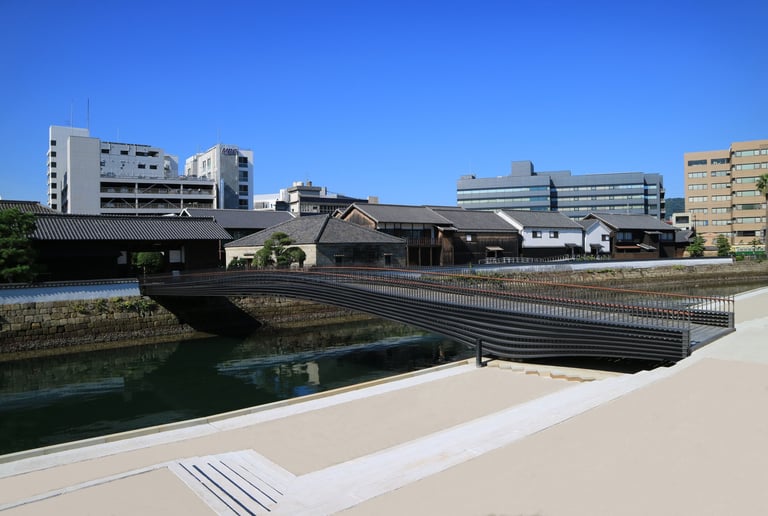
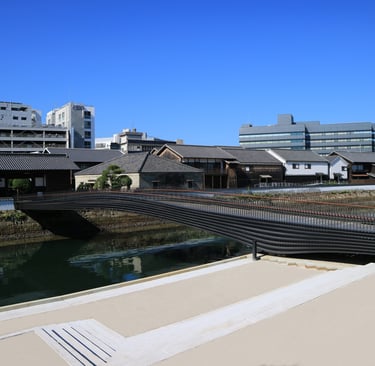
During sakoku, Dejima, an artificial island built in Nagasaki Bay, became the only place where European trade was allowed. The Dutch East India Company operated from here under strict surveillance.
Although contact was limited, the Dutch brought Western books, medicine, scientific knowledge, and technology. This exchange became known as Rangaku (Dutch Learning) and played an important role in Japan’s modernization later in the 19th century.
Because of Dejima, Nagasaki became Japan’s sole gateway to Europe and a crucial center for cultural and economic exchange. It was also a place where Christianity was carefully monitored and suppressed.
The Effects of Sakoku
Sakoku brought nearly two centuries of peace and domestic stability. During this time:
Japanese arts such as ukiyo-e and kabuki flourished.
The economy stabilized under centralized control.
A unique Japanese culture developed with limited outside influence.
However, isolation also meant Japan fell behind Western nations in industrial and military technology.
The End of Sakoku: Commodore Perry Arrives
In 1853, Commodore Matthew Perry of the United States Navy arrived in Japan with a fleet of warships. He demanded that Japan open its ports to American trade.
Facing military pressure and recognizing the technological gap with Western powers, the Tokugawa shogunate agreed to negotiations. In 1854, Japan signed the Treaty of Peace and Amity with the United States, officially ending sakoku.
This moment marked the beginning of Japan’s rapid modernization during the Meiji Restoration.
Why Sakoku Still Matters Today
The sakoku period shaped Japan’s national identity, social structure, and cultural development. At the same time, Nagasaki’s role during this era laid the foundation for its later transformation into an international city.
Walking through Dejima today, visitors can see how one small island connected Japan to the wider world — even during its so-called isolation.
Discover Nagasaki’s Hidden History with Nagasaki Private Tours
If you would like to explore Dejima, learn about sakoku, and understand how Nagasaki connected Japan to the world, Nagasaki Private Tours offers private, English-guided experiences tailored to your interests.
From Dejima and historic foreign settlements to hidden Christian heritage sites, we provide in-depth storytelling that brings Japan’s history to life.
👉 https://nagasakiprivatetours.com
Experience Nagasaki beyond the guidebooks — where Japan’s isolation and international exchange met.