
How to Visit a Japanese Shrine: Understanding Shinto and Proper Etiquette
Learn the meaning of Shinto and the basic etiquette for visiting Japanese shrines. This guide explains how Japanese people practice their traditional beliefs and how visitors can respectfully experience shrine culture.
JAPANESE CULTURE
3/7/20263 min read
How to Visit a Japanese Shrine: Understanding Shinto and Proper Etiquette
When visiting Japan, you will likely see many beautiful shrines surrounded by forests, stone paths, and traditional gates. These places are part of Shinto, the traditional spiritual belief system of Japan.
Unlike many religions, Shinto does not have a specific founder or a single sacred book. Instead, it is based on the belief that spirits, called kami, exist in nature. Mountains, rivers, trees, and even certain rocks are believed to contain sacred spirits. This concept is often described as “eight million gods,” meaning that divine spirits are everywhere in nature.
For many Japanese people, Shinto is not something they actively study but something naturally woven into daily life. Even people who say they are “not religious” still participate in many Shinto traditions, such as visiting shrines during New Year or attending local festivals.
At the same time, Buddhism is also widely practiced in Japan. The two belief systems have coexisted peacefully for centuries. For example, many Japanese families celebrate life events like births or weddings at shrines, while funerals are usually held at Buddhist temples. This blending of traditions is a unique feature of Japanese culture.
Basic Etiquette When Visiting a Shrine
If you plan to visit a shrine during your trip to Japan, it is helpful to know the basic customs.
1. Passing Through the Torii Gate
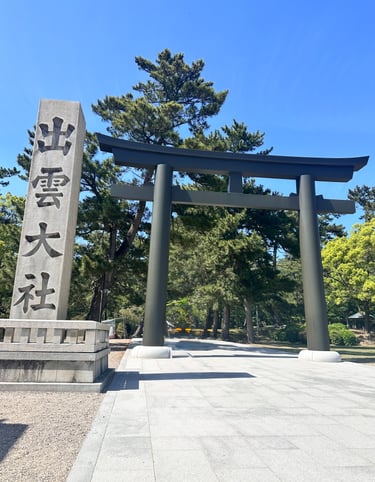
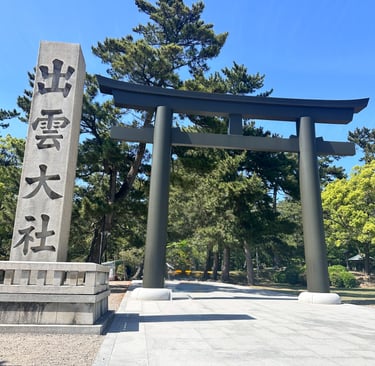
At the entrance of most shrines you will see a traditional gate called a Torii. This gate marks the boundary between the ordinary world and the sacred space of the shrine.
Before passing through, it is considered polite to bow slightly. Many visitors also avoid walking directly in the center of the path, as it is traditionally believed that the center is reserved for the gods.
2. Purifying at the Water Pavilion
Near the entrance you will often find a purification fountain called a Temizuya.
Here you symbolically cleanse yourself before approaching the shrine.
The typical steps are:
Wash your left hand with water using the ladle.
Wash your right hand.
Pour a little water into your left hand and rinse your mouth.
Finally, rinse the handle of the ladle before placing it back.
This ritual represents purification of both body and mind.
3. The Prayer Ritual
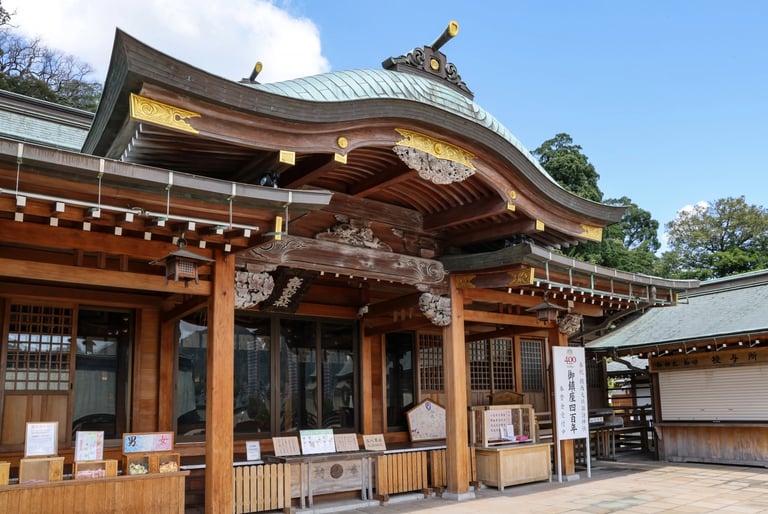
When you reach the main hall of the shrine, you will usually see a donation box.
The traditional prayer style is:
Bow deeply twice
Clap your hands twice
Silently make a wish or express gratitude
Bow once more
In Japanese culture, it is common to offer thanks first before asking for something.
Should You Visit a Local Shrine or a Famous Shrine?
In traditional Japanese belief, each community has its own guardian deity known as an Ujigami. The shrine dedicated to this deity is called the local shrine of the area.
Historically, people were expected to worship at the shrine that protects their community. Even today, many Japanese families visit their local shrine for important occasions.
However, visiting famous shrines is also very popular. Some well-known shrines include:
Ise Grand Shrine
Fushimi Inari Taisha
Meiji Shrine
These shrines attract millions of visitors each year.
For travelers, visiting both local shrines and famous ones can provide a deeper understanding of Japanese culture.
Explore Authentic Japanese Culture in Nagasaki
If you would like to experience Japanese culture more deeply during your trip, consider joining a local guided tour.
At Nagasaki Private Tours, we specialize in small, personalized tours designed especially for international visitors. Our tours introduce not only famous sights but also hidden gems that many travelers never discover.
You can explore historic districts, peaceful shrines, beautiful gardens, and unique cultural experiences while learning the stories behind them from a local guide.
If you are planning to visit Nagasaki, we would be happy to help you create a memorable and meaningful journey.