
Nagasaki: The Crossroads of History and Culture
10/31/20251 分钟阅读
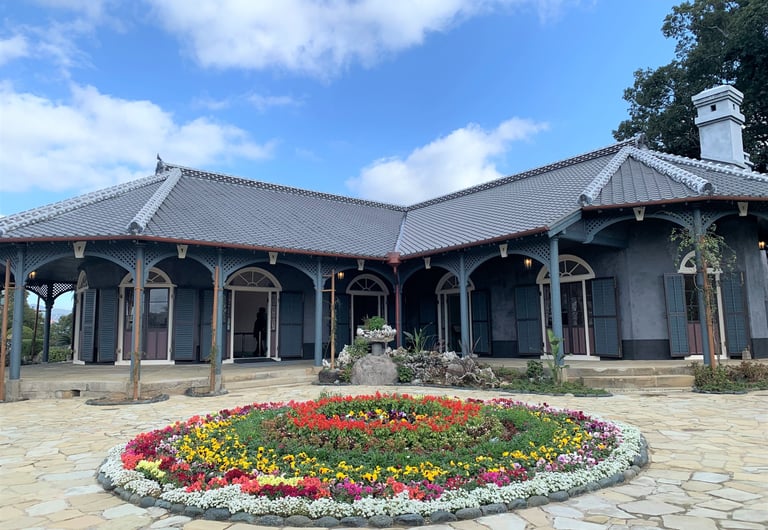
Nagasaki has always held a special place in Japan’s history. During the Edo period, the city was part of Hizen Province, but unlike most regions that were governed by feudal lords, Nagasaki was ruled directly by the Tokugawa Shogunate as a tenryō (shogunate-controlled territory). This was because Nagasaki played a strategically important role in foreign trade and religious control.
During Japan’s long period of national isolation (sakoku), Nagasaki was the only city open to the outside world. Trade was strictly limited to the Dutch and the Chinese, who were allowed to conduct business on the artificial island of Dejima. Through this limited exchange, Western science, medicine, and culture flowed into Japan, making Nagasaki the gateway to knowledge and modernization.
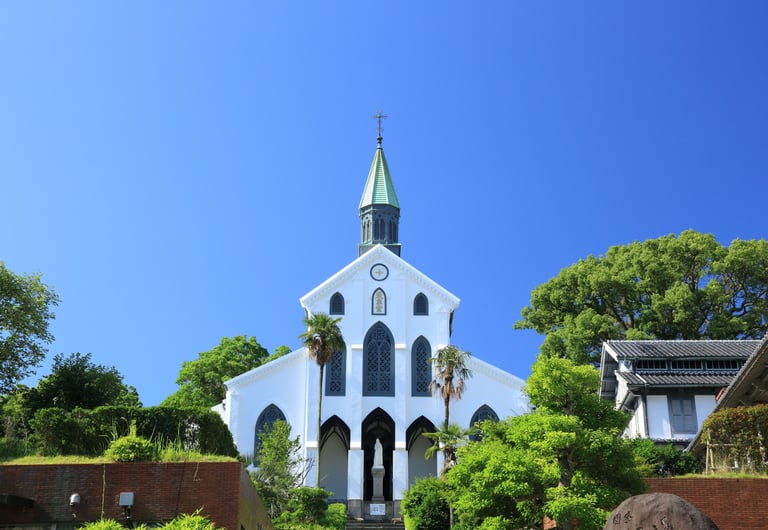
Nagasaki is also deeply connected to the history of Christianity in Japan. When Portuguese missionaries arrived in the 16th century, many locals converted to Christianity. However, under the Tokugawa government’s ban, believers were persecuted and forced to practice their faith in secret. These people became known as the Hidden Christians (Kakure Kirishitan), and their secret devotion has become a symbol of spiritual resilience recognized around the world.
Blending foreign and Japanese influences, faith and suppression, openness and isolation — Nagasaki stands as a city where contrasts coexist, creating a truly unique atmosphere that still lingers in its streets today.