
Nagasaki Tips · September 28, 2025
Nagasaki’s Hills and Stairs: A Practical Guide for Cruise Passengers
Nagasaki’s hills and stairs shape every shore excursion. Plan a more comfortable cruise day with practical access advice, sightseeing ideas and private-car options.
Nagasaki is often called Japan’s city of hills. Its deep natural harbour is surrounded by steep slopes, and that landscape is one reason the city feels so distinctive. It also shapes how visitors should plan a day ashore—especially cruise passengers who want to see the highlights comfortably and return to their ship on time.
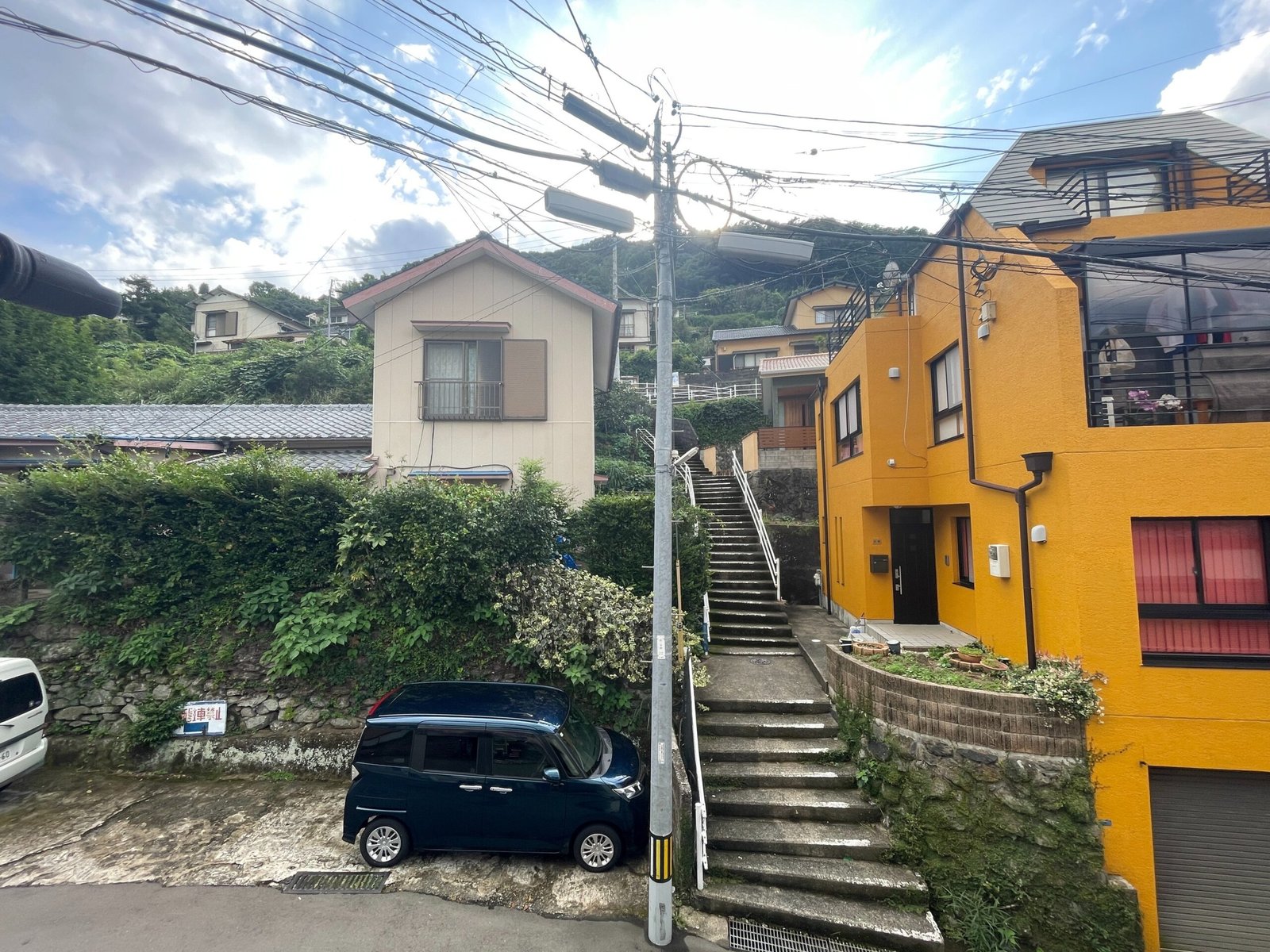
Why is Nagasaki so hilly?
Nagasaki developed around a sheltered harbour between steep ridges. Neighbourhoods rise quickly from the waterfront, with narrow roads, staircases and views opening unexpectedly between houses. This geography helped create a port city unlike the flatter Japanese cities many visitors know.
The hills are not simply a backdrop. They shape daily life, transport and sightseeing. A short distance on a map can involve a long climb, and some residential lanes are too narrow for large vehicles. That is why planning the order of your stops matters as much as choosing the attractions themselves.
What do the hills mean for a Nagasaki shore excursion?
Many of Nagasaki’s most memorable sites are in different districts: Peace Park and the Atomic Bomb Museum, the historic Minamiyamate area around Glover Garden and Oura Cathedral, central Nagasaki near Megane Bridge, and the viewpoint at Mt. Inasa. Reaching them can involve slopes, steps or changes between transport.
Walking and trams are excellent ways to experience parts of the city, particularly for guests who enjoy a street-level pace. However, they are not always the most comfortable option in rain, summer heat or for travellers who prefer to reduce uphill walking. Cruise guests should also remember to leave a sensible margin for returning to their ship.
Why a private car can make the day easier
A private car provides direct, air-conditioned transport between districts and can minimise unnecessary climbs. This is especially helpful for older travellers, guests with limited mobility, families and anyone visiting during a wet or hot day. It also gives the itinerary flexibility: your guide can place a viewpoint or historic district at the most practical point in the route.
That does not mean missing Nagasaki’s atmosphere. A good private itinerary still includes time on foot where it adds value—at Peace Park, in Glover Garden, near Megane Bridge or along a historic street—while using the vehicle for the longer, hillier transfers.
Choosing between a 4-hour and 6-hour private tour
- A 4-hour tour can cover around six key locations efficiently and gives a strong introduction to Nagasaki’s highlights.
- A 6-hour tour is better if you would like more time at each place, a relaxed local lunch and an additional stop.
- Both options can be tailored to your ship, group and mobility needs. The choice is about pace and depth, not because Nagasaki port calls are usually short.
A city best enjoyed at your own pace
Nagasaki’s hills can be a challenge, but they are also part of what makes the city memorable. They frame the harbour, connect quiet neighbourhoods with historic sites and create viewpoints that explain the city at a glance. With a route designed around your interests and comfort, you can enjoy that character without feeling rushed or overwhelmed by stairs.
Explore our private Nagasaki shore excursions for a comfortable route tailored to your cruise day, or compare all Nagasaki tours before checking availability.