
Nagasaki Tips · February 11, 2026
Madama Butterfly in Nagasaki: The Real Places Behind Puccini’s Opera
Discover the real Nagasaki behind Puccini’s Madama Butterfly: Glover Garden, historic harbour hills, and an itinerary for opera and history lovers.
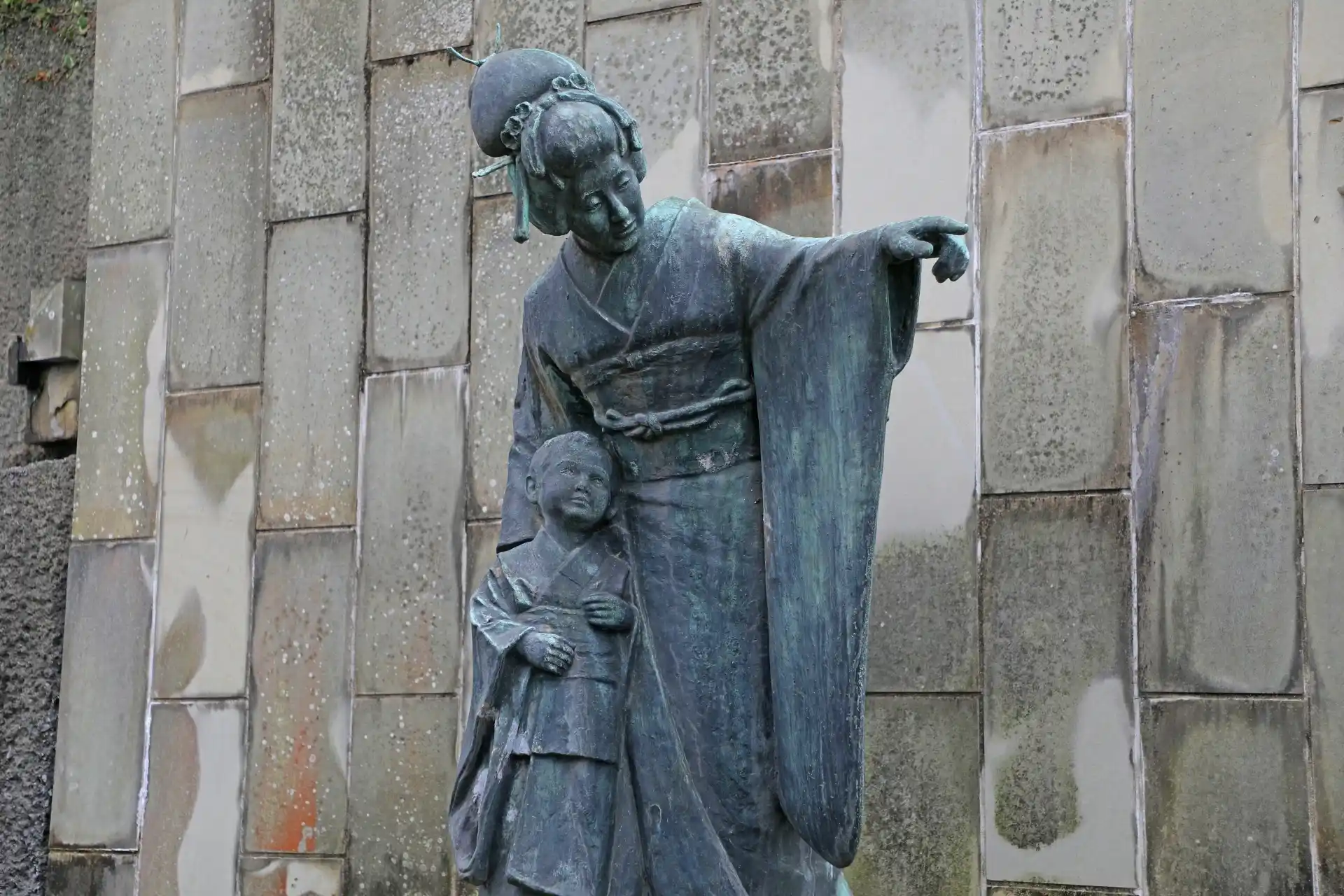
When visitors stand on the hills above Nagasaki Harbour, it is easy to understand why Puccini set Madama Butterfly here. The opera is fictional, but its setting reflects a real city shaped by international trade, foreign settlements and encounters between cultures.
For travelers who love opera, history or architecture, Nagasaki offers more than a passing reference to Madama Butterfly. It gives you a landscape in which to place the story: harbour views, nineteenth-century foreign residences and the slopes of Higashiyamate and Minamiyamate.
Was Madama Butterfly really set in Nagasaki?
Yes. Puccini’s opera is set in Nagasaki, in a house on a hill overlooking the harbour. The story of Cio-Cio-San and the American naval officer Pinkerton is fiction, adapted from earlier literary and theatrical works. It should not be treated as a documentary account of one real Nagasaki family.
That distinction matters. The opera is a powerful work of art, but it also reflects the unequal cultural assumptions of its period. A visit to Nagasaki is an opportunity to appreciate the music while learning about the far more varied lives of the people who actually lived in this international port.
Why Nagasaki was the right setting
For centuries, Nagasaki was Japan’s principal window onto the outside world. After Japan opened further in the nineteenth century, foreign merchants, engineers, missionaries and sailors lived around the harbour, while Japanese residents worked, traded and built families in a city changing quickly.
The hills above the port became home to foreign settlements. Their churches, schools and Western-style residences still give the area a distinctive character. This is the atmosphere that makes Madama Butterfly feel so closely connected with Nagasaki, even though the heroine herself is fictional.
Glover Garden and the Madama Butterfly connection
Glover Garden is one of the most evocative places to begin. The garden preserves historic residences connected with foreign merchants in nineteenth-century Nagasaki and looks over the harbour from Minamiyamate. In the garden stands a statue of Tamaki Miura, the Japanese soprano internationally celebrated for her performances as Cio-Cio-San. A statue of Puccini is also nearby. Together they make Glover Garden an important stop for opera enthusiasts.
There is a popular theory that Thomas Blake Glover’s Japanese wife, Tsuru, inspired Madama Butterfly. It is best understood as a local association rather than established fact. The official historical account makes an important distinction: Glover did not abandon his wife and children, and his family story should not be confused with Pinkerton’s fictional one.
Other places that bring the story’s setting to life
Higashiyamate and Minamiyamate
These hillside districts preserve the streets, views and architecture of the former foreign settlements. Walk slowly and you will find stone lanes, churches, former residences and views toward the water—details that make the opera’s setting feel more tangible.
Oura Cathedral
Near Glover Garden, Oura Cathedral is a powerful symbol of Nagasaki’s Christian and international heritage. It is a meaningful addition to an itinerary focused on the city’s nineteenth-century history.
Dejima
Dejima tells an earlier chapter of Nagasaki’s global story. The restored trading post helps explain why this city had such a distinctive international identity long before the era in which Madama Butterfly is set.
How to visit the Madama Butterfly sites in one day
Glover Garden and Oura Cathedral work well together. Guests who are comfortable walking can explore this area as part of our private half-day tram tour. A private car tour is the more comfortable choice for travelers who prefer to minimise hills and stairs, or who would like to connect the area with Peace Park, the Atomic Bomb Museum and Mt. Inasa. If you have more time, a six-hour private car tour allows for lunch and an additional stop such as Dejima, at a gentler pace.
Discover the real Nagasaki behind the opera
Madama Butterfly is a moving introduction to a city of harbour views and cross-cultural history. The real Nagasaki is richer and more complex than any single story: it is a place of trade, faith, industry, memory and everyday life. Tell us your interests, ship schedule and preferred pace, and we will help you plan a private Nagasaki itinerary that brings those layers of history to life. Explore our private Nagasaki tours.