
History Of Japan · April 18, 2026
From Isolation to Open Seas: Japan’s Great Transformation
For over two hundred years, Japan’s doors were firmly shut to the outside world. No Japanese citizen could leave. No foreign ship could enter — at least, not freely. This policy, known as sakoku (鎖国), or the “locked country,” shaped Japan into one of the most self-contained civilizations the world had ever seen. Yet the […]
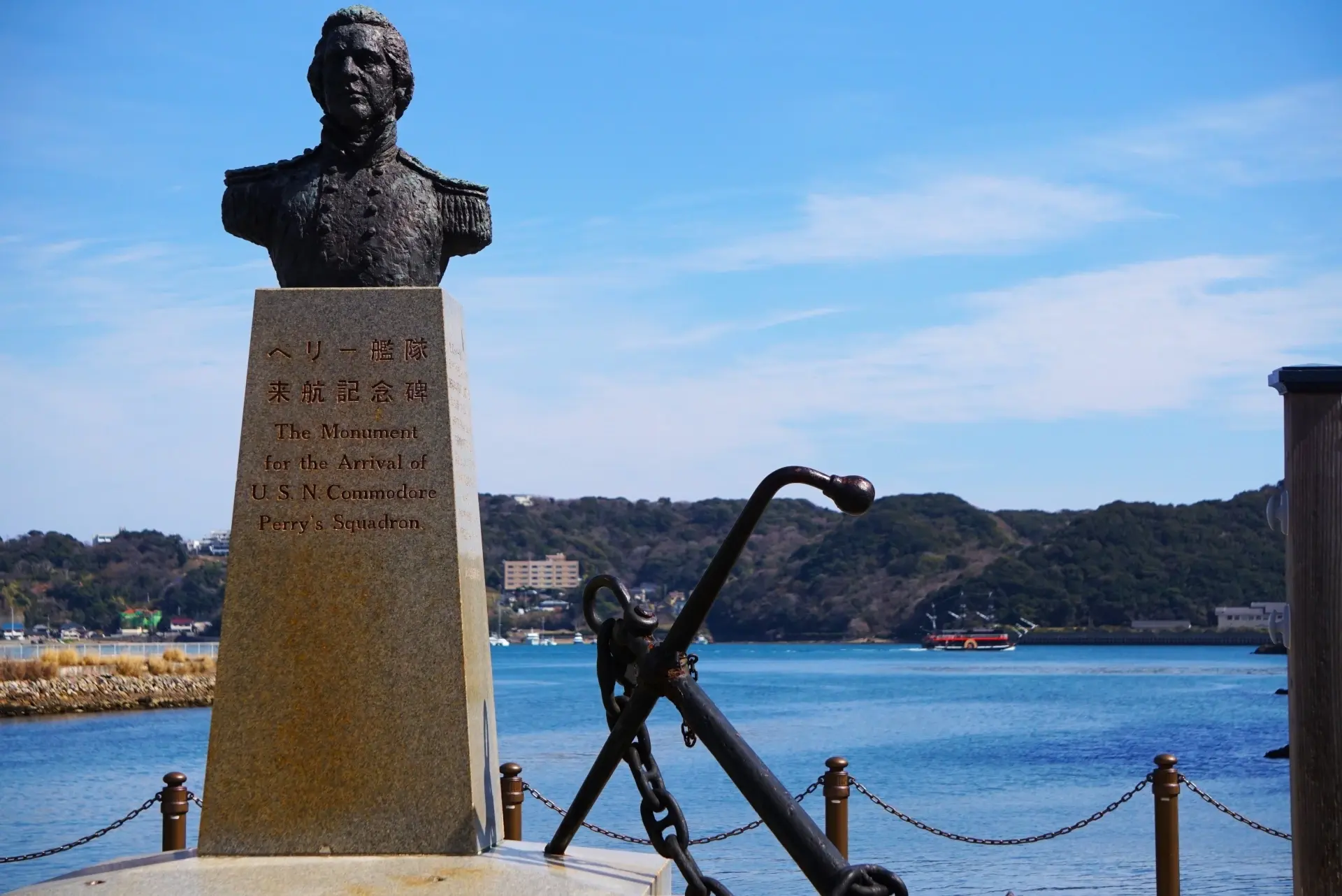
For over two hundred years, Japan’s doors were firmly shut to the outside world. No Japanese citizen could leave. No foreign ship could enter — at least, not freely. This policy, known as sakoku (鎖国), or the “locked country,” shaped Japan into one of the most self-contained civilizations the world had ever seen. Yet the story of how those doors finally swung open is one of drama, pressure, and remarkable adaptation — and much of it happened right here in Nagasaki.
A Brief History — The Key Moments
1635 — Sakoku edicts formalized The Tokugawa shogunate issues edicts restricting foreign trade and banning Japanese from travelling abroad on pain of death.
1641 — Dejima: Japan’s only window to the world Dutch merchants are confined to the tiny artificial island of Dejima in Nagasaki Harbor, the sole sanctioned gateway for Western trade.
1853 — Commodore Perry arrives U.S. Navy Commodore Matthew Perry sails into Edo Bay with four warships, demanding Japan open its ports. The so-called “Black Ships” shock the nation.
1854 — Convention of Kanagawa signed Japan agrees to open the ports of Shimoda and Hakodate to American ships — the first formal break with sakoku.
1868 — Meiji Restoration Emperor Meiji assumes power, ending the Tokugawa shogunate. Japan embarks on an extraordinary program of modernization and Westernization.
The catalyst for opening was not gradual — it arrived with cannon fire and steam. When Perry’s Black Ships appeared on the horizon in 1853, Japan’s leaders faced an uncomfortable truth: centuries of isolation had left the country militarily vulnerable. The Tokugawa shogunate, unable to repel the foreign fleet, had little choice but to negotiate.
“Japan did not simply open its doors — it redesigned the house entirely.”
Within a generation, the transformation was breathtaking. The Meiji government, determined that Japan would never again be outmatched, sent scholars to Europe and America, invited foreign experts to Tokyo, and rebuilt the country’s institutions from the ground up. The pace of change was unlike anything the world had seen.
What Changed — and How Much
Industry & Technology Railways, telegraphs, and modern factories transformed the economy within decades. Japan became an industrial power by the early 1900s.
Law & Governance A new constitution modeled on Western systems was adopted in 1889, creating a parliament and modern legal codes.
Fashion & Daily Life Western clothing, food, and architecture became symbols of modernity. Beef — long taboo — appeared on Japanese dinner tables.
Trade & Diplomacy Japan rapidly expanded its network of treaties and trading partners, becoming a key player in global commerce and geopolitics.
Yet what makes this story so nuanced is what Japan chose not to abandon. The country absorbed foreign ideas with extraordinary selectivity — taking Western science and military organization while preserving its language, aesthetic traditions, and social structures. It was modernization on Japan’s own terms.
Nagasaki’s Special Role
Throughout the sakoku era, Nagasaki was Japan’s only crack in an otherwise sealed wall. Via the Dutch trading post at Dejima, ideas about medicine, astronomy, and Western science — known as rangaku (蘭学, “Dutch learning”) — quietly filtered into the country. Scholars traveled to Nagasaki specifically to learn from the Dutch, seeding a tradition of openness that would prove vital when the country finally opened.
When the rest of Japan was still adjusting to the shock of the outside world, Nagasaki already knew it well. That heritage lives on in the city today — in Dejima’s reconstructed buildings, in the Glover Garden’s Victorian mansions, and in a cuisine shaped by centuries of cross-cultural exchange. Walking these streets, you are walking through the story of Japan’s transformation.