
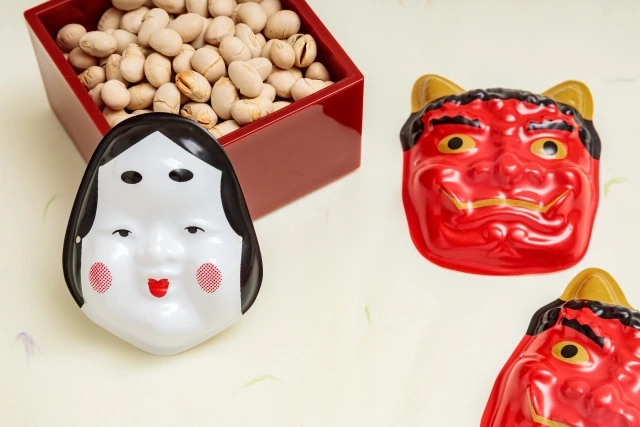
Setsubun: A Traditional Japanese Festival to Welcome Spring
Setsubun is one of Japan’s traditional annual events and is usually celebrated around February 3rd. The word Setsubun literally means “the division of seasons,” and it…
Read Article →Deep dives into Nagasaki's history, Japanese culture, and practical travel tips for cruise visitors.
Setsubun is one of Japan’s traditional annual events and is usually celebrated around February 3rd. The word Setsubun literally means “the division of seasons,” and it…
Read Article →
When people think about traveling in Japan, they often picture temples, traditional food, and beautiful scenery. While those are certainly highlights, Japan also offers some unexpectedly…
Read Article →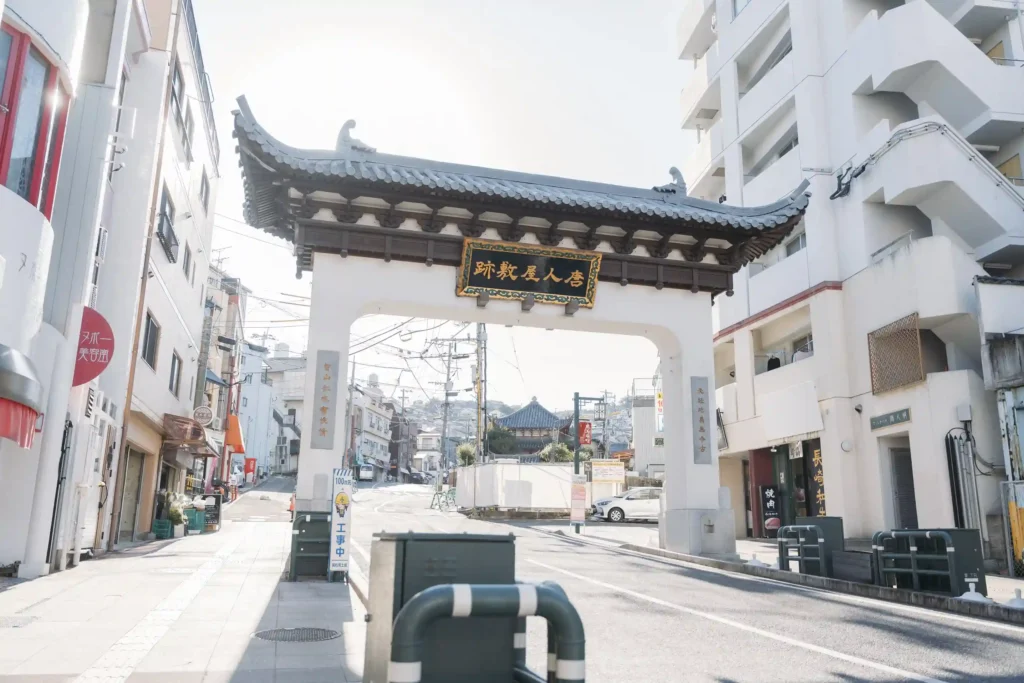
In Nagasaki, the history of exchange with China is visible far beyond Chinatown. It appears in temple courtyards, stone bridges, neighborhood shrines, and familiar dishes. These…
Read Article →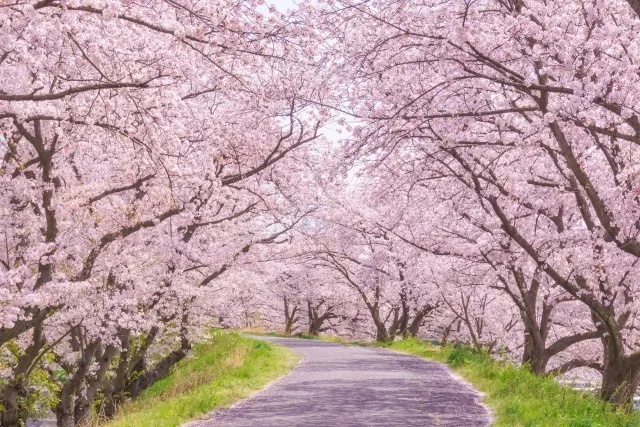
Why Cherry Blossoms Are So Important in Japan Japan is famous for cherry blossoms because sakura represent deeply rooted Japanese values such as impermanence, beauty, and…
Read Article →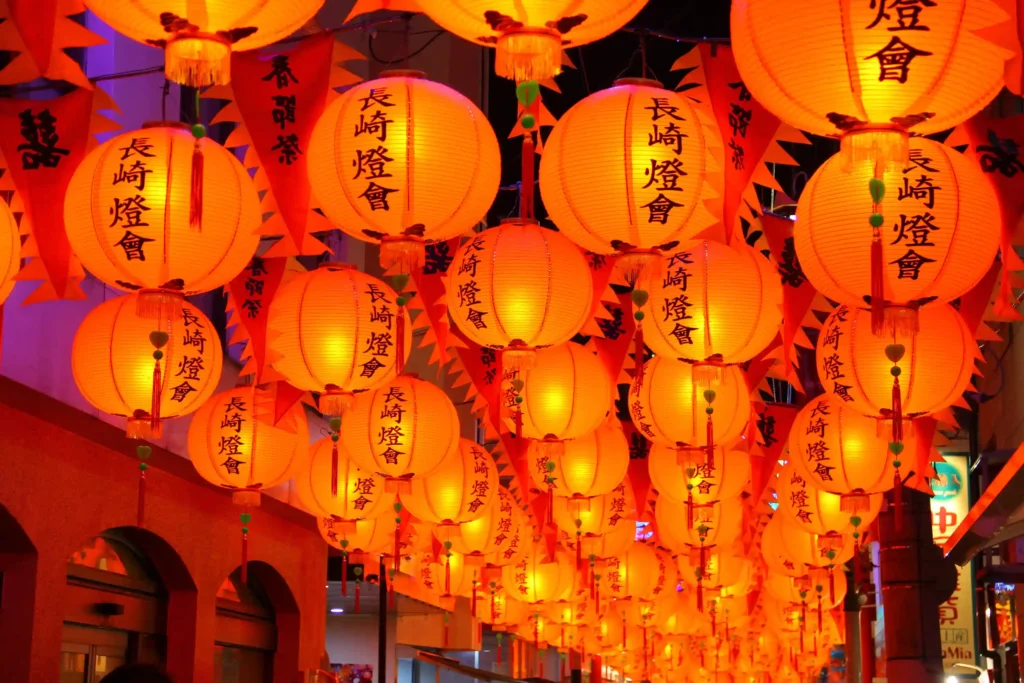
The Nagasaki Lantern Festival is one of the most beautiful and unique winter events in Japan.Every year, around 15,000 colorful lanterns light up the streets of…
Read Article →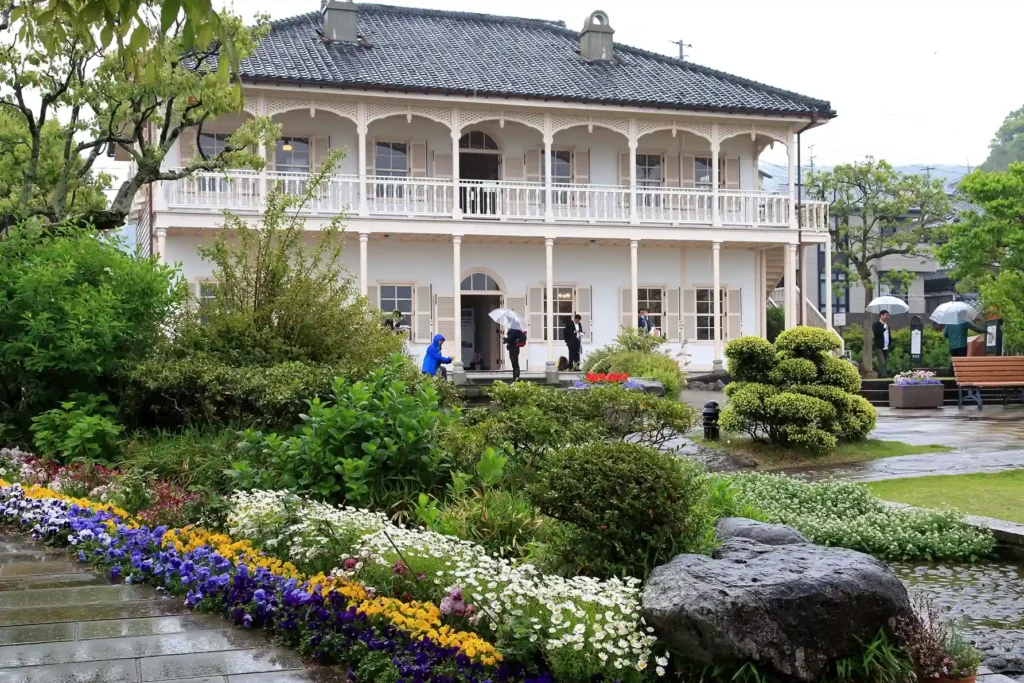
Nagasaki Ranked 17th in The New York Times “52 Places to Go in 2026” — A City the World Is Now Watching Every year, The New…
Read Article →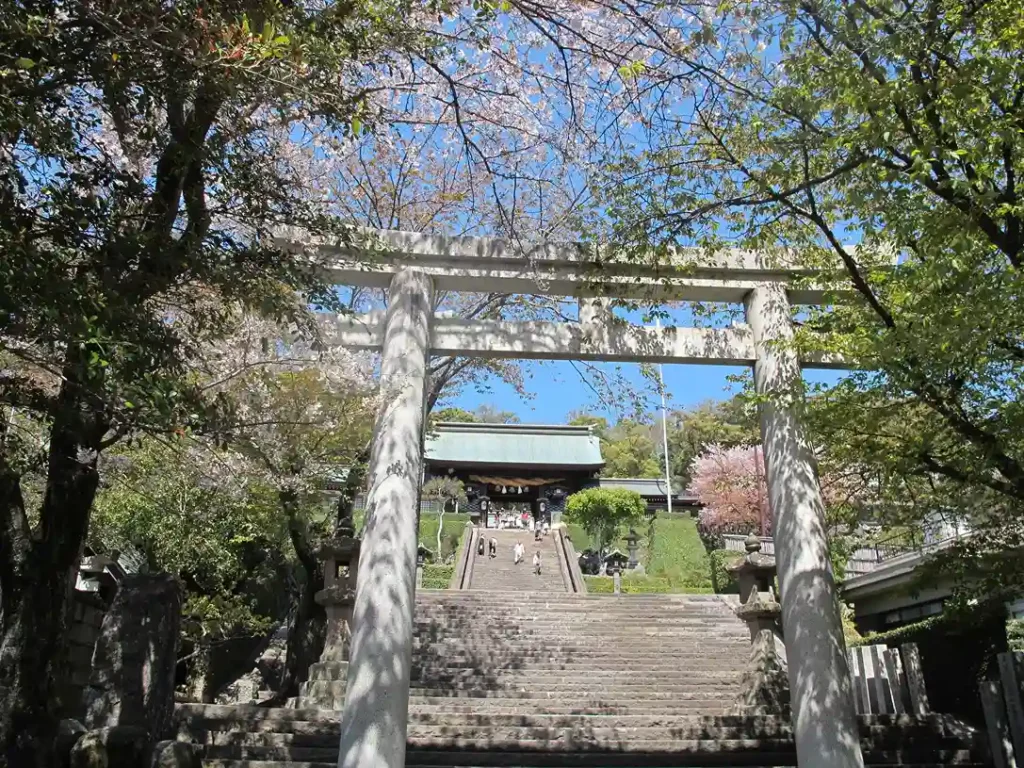
One of the most important traditions of the Japanese New Year is Hatsumode, the first visit of the year to a shrine or temple to pray…
Read Article →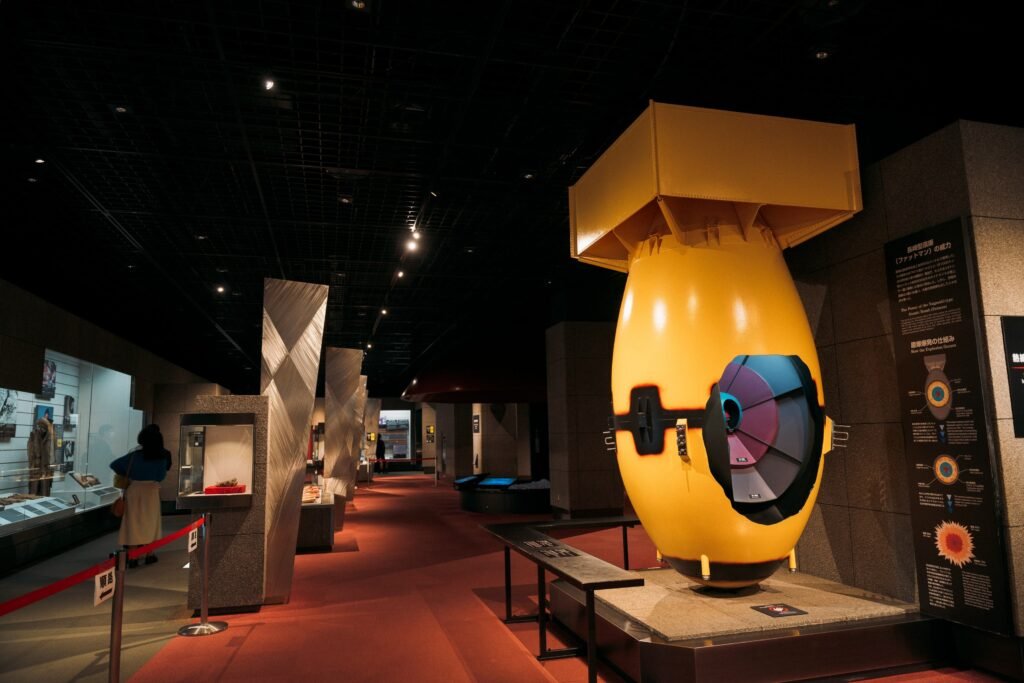
Nagasaki is one of Japan’s most rewarding cities for first-time visitors because its major stories are so varied: peace and remembrance, international trade, Hidden Christian heritage,…
Read Article →
Background of the Streetcar’s Opening Nagasaki’s streetcar system began operation in 1915. At the time, Nagasaki was a growing port city with strong international connections, supported…
Read Article →